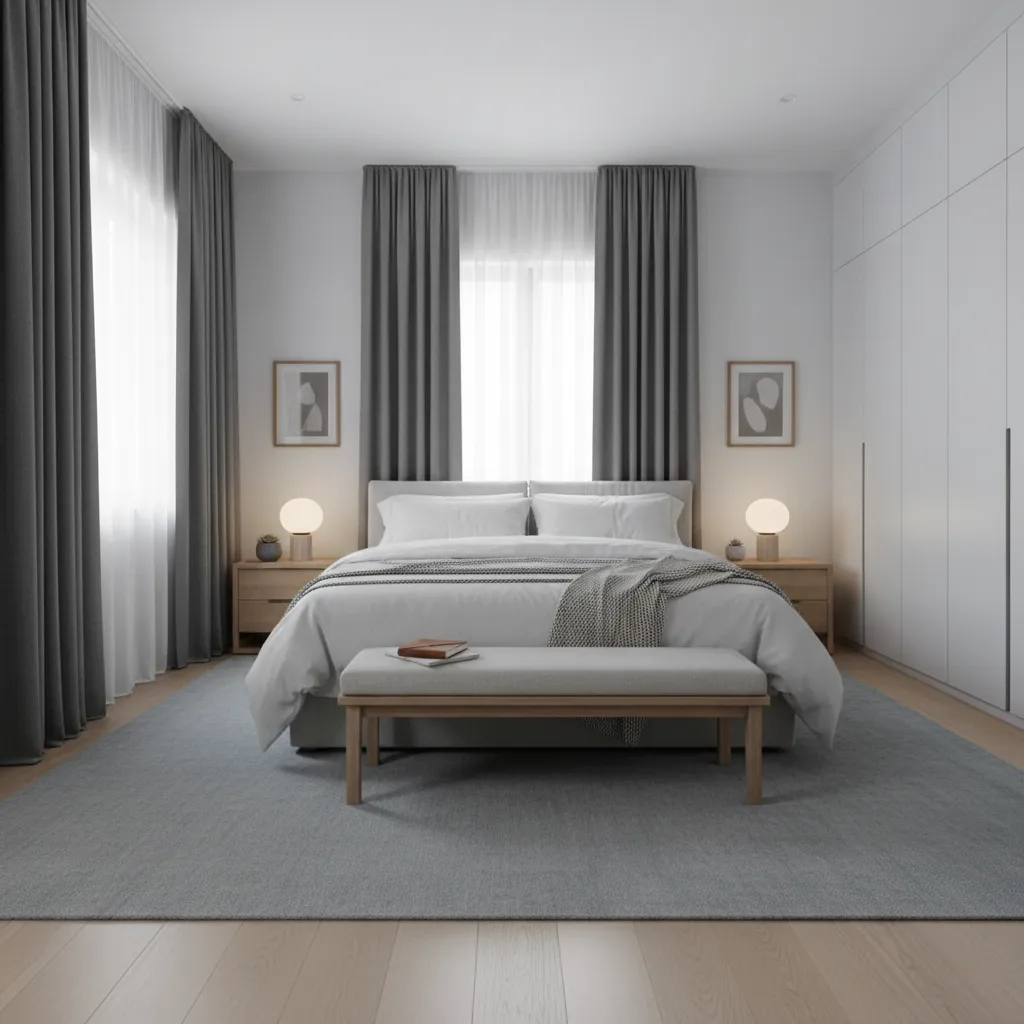
Why Your Sleep Environment Matters More Than You Think
Sleep is not merely a pause in our daily lives; it is a dynamic, essential biological process foundational to every aspect of human health, productivity, and emotional stability. Neglecting its importance leads to a profound decay in our physical and mental capacities, impacting far more than just how tired we feel.
Chronic sleep deprivation, even partial, creates a cascading effect of negative health outcomes, including diminished cognitive function, impaired decision-making abilities, and a significant reduction in problem-solving skills. Such deficits directly hinder professional performance and personal effectiveness.
Beyond cognitive impacts, poor sleep severely compromises the immune system, making individuals more susceptible to illnesses and slowing recovery times. It also significantly impacts hormone regulation, increasing stress hormone levels and disrupting metabolic processes, which can contribute to weight gain and insulin resistance.
In our perpetually connected world, society often implicitly glorifies busyness and undervalues the critical need for adequate rest, treating sleep as a dispensable luxury rather than an indispensable biological imperative. This cultural mindset often leads individuals to sacrifice sleep in pursuit of perceived productivity, ironically undermining their actual potential.
A sub-optimal sleep environment exacerbates these modern challenges, actively working against the body's natural sleep mechanisms. Factors like intrusive light, fluctuating temperatures, and disruptive noises make it exponentially harder to initiate sleep, maintain it throughout the night, and achieve the deeper, more restorative sleep stages.
Investing time and effort into consciously improving one's sleep environment yields substantial returns across all facets of life, from heightened physical vitality and robust immune responses to enhanced emotional resilience and mental acuity. It is a fundamental self-care practice that underpins sustainable high performance.
Ultimately, the focus isn't just on accumulating a certain number of hours of sleep; it is about meticulously optimizing the conditions to ensure those hours are maximally effective and truly restorative. A well-crafted sleep environment is your most powerful tool in achieving this critical objective.
The Science Behind Sleep Environment Optimization
Extensive scientific research consistently underscores the profound impact of environmental factors on the quantity and, more critically, the quality of human sleep. Numerous studies confirm that the physical characteristics of our sleep surroundings are not merely peripheral but central to our sleep architecture and overall health outcomes.
Neuroscientific investigations employing polysomnography reveal that environments characterized by profound darkness, minimal auditory disturbance, and a consistently cool ambient temperature actively facilitate the body's transition into deeper, more restorative sleep stages, specifically NREM3 (slow-wave sleep) and REM sleep. These stages are vital for physical repair and cognitive functions.
The precise timing and intensity of light exposure are recognized as primary modulators of our circadian rhythm. Research unequivocally demonstrates that exposure to short-wavelength blue light, particularly during the evening hours, potently suppresses melatonin production, thereby delaying sleep onset and disrupting the natural sleep-wake cycle. Conversely, early morning light exposure helps to entrain the rhythm.
Thermoregulation plays a pivotal role in sleep initiation and maintenance; the human body naturally experiences a slight drop in core temperature as it prepares for sleep. Studies show that a cooler bedroom temperature aids this natural physiological process, promoting faster sleep onset and reducing wakefulness throughout the night. Optimal ranges are consistently identified in research.
Acoustic research highlights that even low-level or intermittent noise, often imperceptible to conscious awareness, can significantly fragment sleep by triggering micro-arousals and increasing physiological markers of stress. While not always waking us, these disruptions prevent the brain from fully descending into deep restorative cycles, diminishing sleep quality.
Longitudinal studies on circadian rhythm alignment reveal its pervasive influence on endocrine function, metabolism, and psychological well-being. Consistent sleep-wake times, supported by environmental cues, are strongly correlated with better hormonal balance, improved glucose regulation, and enhanced mood stability, illustrating a direct link to chronic disease prevention.
Evidence-based guidelines from organizations such as the National Sleep Foundation consistently advocate for strict sleep hygiene practices that prioritize environmental control. This body of evidence provides a robust foundation for the practical recommendations aimed at optimizing the sleep environment for better health and performance.
Realistic Benefits of an Optimized Sleep Space
Optimizing your sleep environment directly translates into tangible improvements in your sleep architecture, fostering longer durations of deep sleep and REM sleep, which are crucial for both physical and mental restoration. This enhanced quality of sleep supports more efficient cellular repair and greater release of growth hormone.
A perfectly aligned circadian rhythm, bolstered by a consistent and supportive sleep environment, results in dramatically more stable and predictable energy levels throughout the waking day. This consistency eliminates the jarring highs and lows, allowing for sustained focus and reduced reliance on stimulants.
Experience a marked enhancement in cognitive faculties, including sharper focus, improved problem-solving capabilities, and a significant boost in creative thinking. Quality sleep allows the brain to consolidate memories and process information more effectively, directly translating into superior mental performance.
Your immune system will become noticeably stronger and more resilient, better equipped to fend off common illnesses and recover more rapidly from infections. Adequate sleep supports the production and activation of T-cells and cytokines, critical components of a robust defense system.
Witness a significant improvement in mood regulation and a reduction in symptoms associated with anxiety and depression. Consistent, high-quality sleep helps to balance neurotransmitters and reduces the physiological stress response, promoting greater emotional stability and overall psychological well-being.
The cumulative effect of these improvements is a substantial increase in daily productivity and an elevated overall quality of life. With sustained energy and mental clarity, you become more effective in your work, more present in your relationships, and more engaged in your personal pursuits.
These aren't abstract concepts but quantifiable benefits that can be felt and often measured, providing a powerful incentive for prioritizing environmental sleep optimization. The investment in your sleep environment is an investment in your entire waking existence.
Understanding the Limits, Risks, and Misconceptions
A common misconception is that simply "more sleep is always better"; however, the focus should primarily be on the quality and regularity of sleep rather than just accumulating hours. Excessive sleep, particularly when inconsistent, can sometimes be indicative of underlying health issues and can even lead to symptoms like persistent grogginess.
There's a risk of over-reliance on external quick fixes, such as sleep supplements or sedatives, without adequately addressing fundamental environmental and behavioral factors that contribute to poor sleep. These aids often mask symptoms rather than resolving the root causes, and can lead to dependency or side effects.
Ignoring individual differences is another pitfall; what constitutes an "optimal" temperature, level of darkness, or degree of quiet can vary subtly from person to person. A blanket approach without personal experimentation and adaptation may not yield the best results for everyone.
The pursuit of a "perfect" sleep environment can ironically lead to performance anxiety around sleep itself, which is counterproductive. Stressing about falling asleep or achieving ideal sleep metrics can activate the sympathetic nervous system, making sleep more elusive.
While the sleep environment is undeniably crucial, it is not the sole determinant of sleep quality. Underlying medical conditions such as sleep apnea, restless legs syndrome, chronic pain, or hormonal imbalances can significantly impair sleep regardless of how pristine the bedroom environment is. These require medical attention.
While strategically timed naps can be highly beneficial for cognitive performance and alertness, poorly timed or excessively long naps, especially late in the afternoon, can significantly disrupt nighttime sleep patterns. They can reduce "sleep pressure," making it harder to fall asleep when it matters most.
Misinterpreting wakefulness during the night as a sign of complete sleep failure can also be detrimental. Brief awakenings are a normal part of the sleep cycle; the problem arises when these awakenings become prolonged, frequent, or are accompanied by anxiety about not falling back asleep.
Practical Protocols for Optimizing Your Sleep Environment
Achieve Absolute Darkness: The cornerstone of an ideal sleep environment is complete darkness. Eliminate all sources of light, no matter how small, including indicator lights on electronics, digital clocks, and light seeping from under doors. Invest in high-quality blackout curtains or blinds that fully block external light, or utilize a comfortable eye mask.
Optimize Bedroom Temperature: Maintain a cool ambient temperature in your bedroom, typically within the range of 60-67°F (15-19°C). This supports your body's natural physiological dip in core temperature required for initiating and maintaining sleep. Experiment within this range to find your personal sweet spot, and use breathable bedding and sleepwear.
Control Sound for Tranquility: Minimize all disruptive noises that could interfere with sleep. This can be achieved through various methods such as installing sound-insulating windows, using earplugs, or employing a white noise machine or fan to create a consistent, soothing auditory backdrop that masks sudden disturbances.
Prioritize Mattress and Pillow Comfort: Your bed is your sanctuary, so invest in a high-quality, supportive mattress that aligns with your body's needs and sleeping position. Pair this with pillows that properly support your head and neck, along with clean, breathable, and comfortable linens, to create an inviting and ergonomically sound sleep surface.
Establish a Consistent Evening Routine: Create a predictable wind-down sequence 60-90 minutes before your target bedtime. This should involve dimming lights, avoiding all electronic screens (phones, tablets, TVs), and engaging in calming activities like reading a physical book, taking a warm bath, or practicing gentle stretches. Building this consistency can be effectively tracked and reinforced using Productivity Hub tools Habits.
Strategic Light Exposure in the Morning: Counterbalance your evening darkness efforts by exposing yourself to bright, natural light as soon as possible after waking. Aim for 10-30 minutes of outdoor light exposure to powerfully signal to your circadian clock that the day has begun, enhancing alertness and solidifying your sleep-wake cycle.
Declutter and De-stress Your Space: Ensure your bedroom is solely for sleep and intimacy, free from work materials, clutter, or distractions. A tidy, aesthetically pleasing, and functional space reduces mental clutter, making it easier for your mind to disengage and prepare for restful sleep.
Timing, Dosage, and Adaptation for Sustained Results
Unwavering Sleep Schedule Consistency: The single most impactful adjustment you can make is adhering to a regular sleep and wake schedule seven days a week, even on weekends. This rigid consistency is vital for profoundly stabilizing your circadian rhythm, which in turn regulates hormone release and prepares your body for sleep at predictable times.
Precision in Light Exposure Timing: Actively seek out bright natural light within the first hour of waking for a duration of 10 to 30 minutes, ideally outdoors. Conversely, meticulously avoid bright artificial light, especially blue-spectrum light emitted by screens, for at least 2-3 hours before your scheduled bedtime. Blue light glasses can offer some mitigation if screen avoidance is impossible.
Strategic Napping for Performance: If you choose to nap, optimize its timing and duration. A "power nap" of 20-30 minutes, taken in the early afternoon (typically between 1 PM and 3 PM), can enhance alertness without significantly impacting nighttime sleep. Avoid napping later in the day or for longer periods, as this can disrupt your sleep drive.
Personalized Temperature Adaptation: While the general recommendation for sleep temperature is 60-67°F (15-19°C), individual metabolic rates and preferences vary. Experiment within this recommended range, adjusting your thermostat, bedding, and sleepwear until you find the specific temperature that promotes your most comfortable and deepest sleep.
Flexibility within Routine: Life occasionally necessitates deviations from your ideal schedule, such as travel or unexpected late-night commitments. While consistency is paramount, developing strategies for swift recovery and re-alignment is equally important. Productivity Hub tools ToDo can assist by helping you schedule and prioritize immediate tasks that help you return to your optimal sleep routine, such as an early morning walk after a late night.
Gradual Implementation for Sustainability: Instead of attempting to overhaul your entire sleep environment simultaneously, introduce changes gradually. Start with one or two key areas, such as absolute darkness or temperature control, and observe their impact. Small, consistent improvements are often more sustainable and less overwhelming than drastic, all-at-once overhauls.
Long-Term Monitoring and Adjustment: Sleep is a dynamic process influenced by many factors. Continuously monitor your sleep quality and daytime energy levels, and be prepared to make minor adjustments to your environment or routine as needed. What works perfectly today might need slight tweaks a few months down the line.
Integrating Sleep Environment Optimization with Productivity Hub
Productivity Hub provides an integrated suite of tools specifically designed to empower you in your journey towards optimizing your sleep environment and, consequently, your overall well-being. These features enable systematic tracking, analysis, and refinement of your sleep-related habits and surroundings.
Utilize Productivity Hub tools Habits to meticulously track your compliance with your evening wind-down routine, consistent sleep and wake times, and daily light exposure. This allows you to visualize your progress, build powerful streaks, and identify areas where consistency might be lacking, providing valuable behavioral insights.
Leverage the analytical capabilities of Productivity Hub tools Data by logging specific environmental factors each night. Record metrics such as your perceived room temperature, objective darkness levels (if measured), presence of noise, and link these directly to your subjective sleep quality ratings and tracked sleep duration. This data reveals powerful correlations between your environment and your rest.
Employ Productivity Hub tools ToDo to set strategic reminders for tasks essential to maintaining your optimized sleep environment. This includes regular chores like cleaning your bedroom, washing bedding, replacing old pillows or mattresses on a recommended schedule, or purchasing items to enhance your sleep setup.
Explore the predictive power of Productivity Hub tools AI, which can analyze your logged sleep patterns, environmental data, and daily energy levels to offer personalized, data-driven recommendations. This advanced insight can help fine-tune your approach, suggesting optimal timings for evening routines or specific temperature adjustments tailored to your unique profile.
Customize your notifications within Productivity Hub tools Settings to act as proactive cues for better sleep hygiene. Set reminders like "Begin wind-down routine" 90 minutes before bed, "Dim lights and prepare for sleep," or "Get morning light exposure" shortly after your desired wake-up time, reinforcing positive habits effortlessly.
By integrating your sleep environment optimization efforts directly into Productivity Hub, you create a comprehensive system for self-improvement that moves beyond guesswork. It transforms passive intentions into actionable, trackable steps, leading to consistently superior sleep and enhanced daily performance.
Common Mistakes that Undermine Your Sleep Environment
Ignoring Subtle Light Sources: One of the most pervasive mistakes is underestimating the impact of even minute light sources. Overlooking the glowing LEDs from phone chargers, power strips, alarm clocks, or standby televisions can significantly disrupt melatonin production and prevent the brain from fully entering deep sleep.
Inconsistent Sleep-Wake Schedule: Adhering to a rigid sleep schedule during the week but drastically altering it on weekends, often referred to as "social jet lag," is highly detrimental. This inconsistency confuses the body's natural circadian rhythm, making it harder to fall asleep and wake up naturally on weekdays.
Excessive Screen Time Before Bed: Direct exposure to blue-wavelength light emitted by smartphones, tablets, computers, and TVs within two to three hours of bedtime is a major inhibitor of sleep. This light actively suppresses melatonin, pushing back the body's natural sleep signal and delaying sleep onset.
Overheating the Bedroom Environment: Many people mistakenly believe a warm room is cozy for sleep, but an overly warm bedroom hinders the body's natural need to slightly drop its core temperature for optimal sleep initiation and maintenance. This can lead to increased wakefulness and lighter, less restorative sleep.
Consuming Stimulants or Depressants Late: Consuming caffeine too late in the day can keep you wired for hours past your bedtime, while alcohol, though initially sedating, fragments sleep in the latter half of the night, reducing REM sleep and leading to poorer overall quality. Both should be avoided several hours before sleep.
Neglecting Mattress and Pillow Comfort and Hygiene: Tolerating an old, unsupportive mattress or using pillows that don't properly align the spine is a significant oversight. Furthermore, infrequent cleaning of bedding allows for allergen buildup, which can subtly disrupt breathing and irritate airways, impacting sleep quality.
Bringing Work or Stress into the Bedroom: Using the bedroom for activities other than sleep and intimacy, especially work, can psychologically associate the space with alertness and stress. This makes it harder for the mind to relax and disengage when it's time to sleep, hindering the transition to a restful state.
Mini Quantified Case Studies in Sleep Optimization
Case Study 1 (Sarah, 34, Marketing Manager): Sarah frequently experienced morning grogginess despite clocking 7-8 hours of sleep. After implementing strict blackout curtains, covering all LED lights, and setting her bedroom thermostat to a consistent 64°F, her sleep tracker data showed a 15% increase in deep sleep duration and an 18% reduction in nighttime awakenings over two months. She reported waking feeling significantly more refreshed and alert.
Case Study 2 (Mark, 48, Healthcare Professional): Mark, a shift worker, struggled with erratic sleep patterns and delayed sleep onset. By strictly adhering to an evening routine that included dimming all lights 90 minutes before his variable bedtime and wearing an eye mask, his average sleep onset latency decreased from 45 minutes to just under 20 minutes, demonstrating improved sleep efficiency even with an inconsistent schedule.
Case Study 3 (Elena, 29, Freelance Designer): Elena lived in a noisy urban environment, which often fragmented her sleep. After installing sound-blocking window inserts and consistently using a white noise machine tuned to a gentle rain sound, her sleep efficiency, as measured by a wearable device, improved from 72% to 85%. She noted a significant reduction in daytime fatigue and improved concentration.
Case Study 4 (David, 55, Retired Engineer): David frequently woke with lower back and neck pain, impacting his daily mobility. Following recommendations to upgrade to a medium-firm memory foam mattress and a supportive cervical pillow, alongside maintaining a cool bedroom, his self-reported morning pain levels decreased by 40%. His uninterrupted sleep segments, tracked by a sleep app, increased by 25% within three months.
Case Study 5 (Jessica, 41, Entrepreneur): Jessica struggled with inconsistent energy levels and afternoon slumps. By diligently implementing a morning light exposure protocol (20-30 minutes outdoors within an hour of waking) and a strict "no screens after 9 PM" rule, her subjective energy scores improved by 30%. She reported a notable decrease in her reliance on afternoon caffeine, indicating better natural energy regulation.
Frequently Asked Questions About Sleep Environment Optimization
Q: How dark does my sleep environment truly need to be for optimal sleep? A: For optimal melatonin production and undisturbed sleep cycles, your room should be as close to absolute darkness as possible. Ideally, it should be so dark that you cannot discern your hand directly in front of your face. Even subtle light leaks can interfere with your body's natural sleep signals.
Q: What is the scientifically recommended optimal temperature range for a bedroom to enhance sleep? A: Most sleep experts and research studies recommend maintaining your bedroom temperature between 60-67°F (15-19°C). This range facilitates your body's natural core temperature drop, which is a crucial physiological signal for initiating and sustaining deep, restorative sleep.
Q: Can power naps effectively substitute for a lack of quality nighttime sleep, or are they different? A: While strategic power naps (20-30 minutes in the early afternoon) can provide a temporary boost in alertness and cognitive function, they cannot fully compensate for chronic insufficient or poor-quality nighttime sleep. Nighttime sleep includes distinct, longer phases of deep sleep and REM sleep that are essential for comprehensive physical recovery, memory consolidation, and emotional processing.
Q: How quickly can I expect to observe significant improvements in my sleep quality after optimizing my sleep environment? A: While some individuals may notice immediate, subtle improvements within a few nights, significant and consistent benefits typically manifest over several weeks. This period allows your body to adjust to the new conditions and for your circadian rhythm to become more robustly entrained. Consistency in applying these changes is paramount for lasting results.
Q: Is using a sound machine beneficial for sleep, and what type of sound is most effective? A: Yes, a sound machine can be highly beneficial, particularly for individuals in noisy environments or those who find silence unsettling. White noise, pink noise, or consistent natural sounds (like gentle rain or ocean waves) are often recommended. These sounds create a stable auditory mask, preventing sudden noises from disrupting sleep while fostering a calming atmosphere.
Sources & References
- 1
- 2
- 3