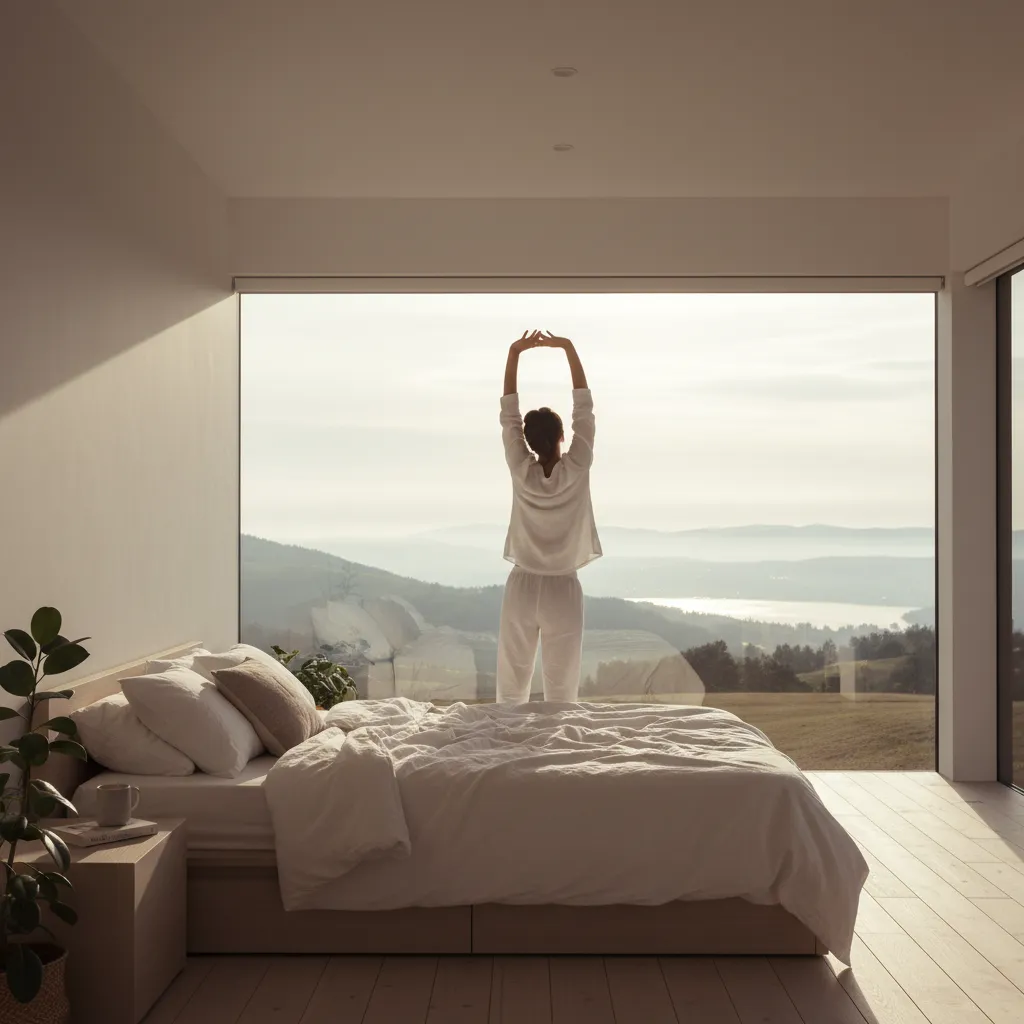
The Science Behind Morning Light and Deep Sleep Synchronization
Extensive scientific research underscores the critical role of light in regulating human physiology, particularly our circadian rhythms. The discovery of intrinsically photosensitive retinal ganglion cells (ipRGCs) in the eyes revolutionized our understanding of how light, independent of vision, impacts our internal clock.
These specialized photoreceptors are most sensitive to blue light wavelengths, which are abundant in natural daylight. When exposed to bright light, especially in the morning, ipRGCs transmit signals directly to the suprachiasmatic nucleus (SCN), often referred to as the body's master clock, located in the hypothalamus.
The SCN, in turn, orchestrates the timing of various biological processes, including the sleep-wake cycle and the production of hormones like melatonin. Early morning light exposure acts as a potent "zeitgeber," effectively resynchronizing and entraining the SCN to the 24-hour day-night cycle.
Studies have shown that individuals exposed to bright morning light exhibit more robust circadian rhythms and more consolidated sleep patterns. For instance, research published in the Journal of Clinical Sleep Medicine has demonstrated that early light exposure can advance the sleep phase, making it easier to fall asleep earlier and achieve more restorative sleep.
Furthermore, a well-timed circadian rhythm ensures that melatonin, the sleep-inducing hormone, is released optimally in the evening. Morning light suppresses melatonin production during the day, creating a sharper contrast with its evening surge, which signals to the body that it's time to prepare for sleep. This clear signal facilitates deeper sleep.
The impact extends beyond mere sleep onset. By firmly establishing the day-night cycle, morning light indirectly enhances the drive for deep, slow-wave sleep. When the circadian rhythm is properly entrained, the body's natural sleep propensity aligns more effectively, leading to a greater proportion of deep sleep throughout the night.
Evidence from chronobiology research consistently points to morning light as a powerful, non-pharmacological tool for optimizing sleep architecture and combating sleep disturbances. Its effects are foundational, influencing the entire cascade of biological events that culminate in quality rest.
Beyond Zzz's: The Multifaceted Benefits of Morning Light for Sleep
Integrating morning light exposure into your daily routine offers a cascade of benefits that extend far beyond simply feeling more awake. The primary and most significant advantage is the robust synchronization of your circadian rhythm, which underpins numerous physiological improvements.
A well-timed circadian rhythm directly translates into improved deep sleep quality. By signaling to your body that the day has begun, morning light reinforces the natural sleep-wake cycle, leading to a more consistent and predictable release of sleep-inducing hormones at night. This makes it easier to fall into and sustain deep sleep.
Beyond deep sleep, individuals often report an easier time falling asleep at night. This is because the morning light actively suppresses melatonin production during the day, creating a more pronounced "melatonin surge" in the evening. This clear hormonal signal helps the body transition smoothly into sleep.
Another significant benefit is increased daytime alertness and energy. A properly synchronized circadian rhythm optimizes the timing of your energy peaks and troughs. This means less daytime grogginess, improved focus, and sustained cognitive performance throughout your waking hours.
Morning light exposure can also positively impact mood and reduce symptoms of seasonal affective disorder (SAD). By regulating neurotransmitters like serotonin, it contributes to a more stable emotional state, enhancing overall well-being. The sunlight itself often has an uplifting psychological effect.
Improved sleep architecture, facilitated by morning light, fortifies the immune system. Adequate deep sleep is crucial for the production of cytokines, which are proteins that fight infection and inflammation. Thus, a simple morning habit contributes to stronger immunity.
Ultimately, consistent morning light exposure cultivates a more harmonious relationship between your internal clock and the external environment. This leads to better sleep, heightened daytime function, and a more resilient physiological state, all stemming from a surprisingly simple, accessible practice.
Debunking Myths and Understanding Limitations of Light Exposure
While morning light exposure is a potent tool for sleep enhancement, it's not a magical cure-all, and several misconceptions exist regarding its application. It's crucial to approach this practice with realistic expectations and an understanding of its limitations and potential pitfalls.
One common misconception is that any light is sufficient. The intensity and spectral composition of light matter significantly. Indoor artificial light, even bright office lights, typically lacks the intensity and blue light wavelengths found in natural sunlight, making it far less effective for circadian entrainment.
Another myth suggests that wearing sunglasses or looking through a window provides adequate exposure. Glass filters out much of the beneficial blue light, and sunglasses further diminish intensity. Direct, unfiltered light to the eyes, even on a cloudy day, is generally more effective than indirect or filtered light.
Some individuals might mistakenly believe that morning light alone will fix severe sleep disorders. While highly beneficial, it's an adjunctive therapy. Chronic insomnia, sleep apnea, or restless leg syndrome often require professional medical intervention beyond simple light exposure.
There are also potential risks if timing is incorrect. Exposing yourself to bright light late in the evening can be counterproductive, as it can suppress melatonin production and shift your circadian rhythm later, making it harder to fall asleep. Consistency in timing is key.
For individuals with certain eye conditions or sensitivities, direct bright light might be uncomfortable or contraindicated. In such cases, consultation with an ophthalmologist or sleep specialist is advisable to determine safe and effective alternatives, such as light therapy lamps with specific guidelines.
Finally, it's important to remember that light exposure is one piece of a larger sleep hygiene puzzle. Factors like a consistent sleep schedule, a comfortable sleep environment, regular exercise, and avoiding caffeine and alcohol before bed all play vital roles in achieving optimal deep sleep.
Your Daily Protocol: Integrating Morning Light for Deeper Sleep
Implementing a morning light exposure routine is straightforward but requires consistency and intention. The goal is to signal to your brain that the day has truly begun as soon as possible after waking. This sets the stage for a strong circadian rhythm and improved deep sleep.
The first step is to prioritize getting outside within the first 30-60 minutes of waking. Aim for at least 10-30 minutes of outdoor light exposure. Even on cloudy days, the ambient light outdoors is significantly brighter and more effective than indoor artificial light.
Upon waking, resist the urge to immediately check your phone in a dark room. Instead, make your way to a window or, ideally, step outside. The crucial element is direct light exposure to your eyes, not necessarily looking directly at the sun.
While outside, simply go about a brief activity. This could be drinking your morning coffee, doing some light stretches, walking the dog, or just sitting on a porch. The key is to be in an outdoor environment, allowing the light to enter your eyes unimpeded.
Avoid wearing sunglasses during this morning exposure period. Sunglasses block the specific wavelengths of light that stimulate the ipRGCs, thereby diminishing the circadian synchronizing effect. Clear prescription glasses or contacts are generally fine.
Consistency is paramount. Just as your body adapts to a regular sleep schedule, it also adapts to a regular light exposure schedule. Daily practice, even on weekends, reinforces your circadian clock, leading to more stable and profound improvements in deep sleep.
To track your progress and reinforce the habit, consider using tools like the Productivity Hub tools Habits feature. Logging your daily morning light exposure can provide visual feedback, helping you stay consistent and understand the direct impact on your perceived energy levels and sleep quality as recorded in Productivity Hub tools Data.
Optimizing Your Light Dose: Timing and Adaptation Strategies
The effectiveness of morning light exposure is highly dependent on both timing and duration, often referred to as "dosage." For most individuals, the optimal window for light exposure is within 30-60 minutes of waking. This early timing is crucial for setting the circadian clock for the day.
Aim for at least 10 minutes of direct outdoor light on sunny days. If the sky is overcast or you're starting this practice in winter months, increase the duration to 20-30 minutes. The goal is to accumulate sufficient light intensity to signal your SCN effectively.
For those with very early wake-up times before sunrise, consider using a dawn simulator or a bright light therapy lamp set to simulate sunrise. Once the sun rises, transition to natural outdoor light as soon as feasible. This gradual exposure can still be highly effective.
Adaptation is key. If you currently spend most of your mornings indoors, gradually increasing your outdoor light exposure time is recommended. Start with 5-10 minutes and slowly extend it as it becomes more comfortable and integrated into your routine.
Listen to your body. While the general guidelines are helpful, individual responses can vary. Pay attention to how different durations and intensities affect your daytime alertness and nighttime sleep. Journaling your experiences can help fine-tune your personal optimal "dosage."
Consider your geographic location and the season. In higher latitudes during winter, natural light intensity is significantly lower. In these periods, a bright light therapy lamp (10,000 lux) used for 20-30 minutes shortly after waking can be a valuable supplement to natural outdoor light.
For consistent results, ensure your morning light routine is stable, even when traveling. While time zone changes can disrupt sleep, immediately seeking morning light in your new location helps re-entrain your circadian rhythm more quickly. This proactive approach supports robust sleep, regardless of environmental shifts.
Leveraging Productivity Hub for Optimal Sleep and Circadian Health
Productivity Hub offers several integrated features that can significantly support and enhance your morning light exposure protocol, helping you to achieve deeper, more restorative sleep. These tools are designed to foster consistency and provide valuable insights into your habits and their impact.
Begin by utilizing the Productivity Hub tools Habits feature to track your morning light exposure. Create a custom habit entry for "Morning Light" and set a daily reminder to ensure you step outside. Consistently marking this off creates a visual chain of adherence, which is a powerful motivator.
The Productivity Hub tools Data section allows you to log perceived sleep quality, energy levels, and even specific details about your deep sleep if you integrate with wearables. By consistently tracking your morning light habit alongside your sleep metrics, you can observe direct correlations and optimize your routine.
For those seeking a more structured approach, the Productivity Hub tools ToDo feature can be used to set specific daily tasks, such as "15 mins outdoor light" or "Sunrise walk." Checking these off reinforces the habit and ensures it doesn't get overlooked amidst other daily responsibilities.
Consider setting up a custom alert within Productivity Hub tools Settings to remind you when the optimal morning light window begins based on your chosen wake-up time. This proactive notification ensures you don't miss the critical period for circadian synchronization.
The platform can help you identify patterns. For example, by reviewing your Productivity Hub tools Data, you might discover that on days you consistently get morning light, your "deep sleep percentage" is higher or your "time to fall asleep" is shorter. This data-driven feedback validates the effort.
By integrating your morning light practice with Productivity Hub, you transform a simple habit into a tracked, analyzed, and reinforced component of your overall wellness strategy. This systematic approach enhances accountability and provides the insights needed to master your sleep and energy levels.
Avoiding Pitfalls: Common Mistakes in Morning Light Practices
Even with the best intentions, several common mistakes can diminish the effectiveness of your morning light exposure routine. Awareness of these pitfalls is the first step toward optimizing your practice for maximum benefit to deep sleep.
One of the most frequent errors is relying on artificial indoor light. While better than complete darkness, typical indoor lighting, even near a window, lacks the intensity and specific spectrum of natural outdoor light required to effectively stimulate the SCN and entrain your circadian rhythm.
Another common mistake is wearing sunglasses or looking through a window. Both glass and tinted lenses filter out essential blue wavelengths of light crucial for signaling the brain. For optimal effect, aim for direct, unfiltered light exposure to your eyes.
Inconsistent timing is a significant deterrent. If you expose yourself to morning light at wildly different times each day, your circadian clock receives mixed signals, struggling to establish a stable rhythm. Regularity, even on weekends, is far more impactful than sporadic bursts of light.
Not getting enough duration is also a pitfall. A quick glance out the window for 30 seconds is unlikely to provide sufficient stimulation. Aim for the recommended 10-30 minutes, adjusting based on cloud cover and intensity.
Conversely, some might overdo it with evening light exposure, especially from screens. While morning light is beneficial, bright light from phones, tablets, or computers late at night can disrupt melatonin production and shift your circadian rhythm backward, counteracting morning efforts.
Finally, neglecting other aspects of sleep hygiene while focusing solely on light exposure is a mistake. Morning light is powerful, but it works best in conjunction with a cool, dark, quiet sleep environment, regular exercise, and mindful nutrition. It's a key piece, not the entire puzzle.
Real-World Impact: Mini Case Studies in Light-Enhanced Sleep
Case Study 1: The Office Worker. Sarah, 34, an accountant, struggled with fragmented sleep and rarely felt refreshed. She started a routine of a 15-minute walk outside immediately after waking before starting her work-from-home day. Within three weeks, her wearable device data showed a 12% increase in deep sleep duration, and she reported significantly reduced daytime fatigue.
Case Study 2: The Night Owl. Mark, 28, a freelance designer, had a natural tendency to stay up late and wake late. Implementing morning light, initially with a 10,000 lux therapy lamp for 20 minutes at 7 AM, followed by 10 minutes outside once the sun was up, gradually shifted his sleep onset earlier by 45 minutes over two months. His reported sleep latency decreased, and he felt more consistent energy.
Case Study 3: The New Parent. Emily, 31, a new mother, faced highly disrupted sleep due to infant wake-ups. Despite irregular sleep opportunities, she committed to stepping outside for 10-15 minutes each morning, even when severely sleep-deprived. While her total sleep hours didn't drastically change, she noted a clearer head, fewer mood swings, and felt her body was "coping better" with the fragmented rest, likely due to a stronger circadian anchor.
Case Study 4: The Traveler. David, 45, frequently travels for business across time zones. His strategy involves seeking out bright natural light for 20-30 minutes immediately upon arrival in a new location, specifically aligning with the new local morning. He reports faster adaptation to new time zones, less severe jet lag symptoms, and a quicker return to his baseline deep sleep percentages compared to previous trips.
These examples illustrate the diverse positive impacts of consistent morning light exposure across different lifestyles and challenges. While individual results vary, the common thread is a more robust circadian rhythm, translating into tangible improvements in sleep quality and daytime function.
Frequently Asked Questions About Morning Light and Deep Sleep
Q: How much morning light do I really need? A: Aim for 10-30 minutes of direct outdoor light within 30-60 minutes of waking. On sunny days, 10-15 minutes might suffice; on overcast days, extend to 20-30 minutes. The goal is sufficient intensity to signal your brain.
Q: Can I get morning light through a window? A: While some light penetrates, window glass filters out many of the beneficial blue light wavelengths crucial for circadian entrainment. For optimal results, step outside and expose your eyes directly to the ambient light, avoiding sunglasses.
Q: What if I wake up before sunrise? A: If you wake before the sun, use a dawn simulator or a 10,000 lux bright light therapy lamp for 20-30 minutes. Once the sun rises, try to get additional natural light exposure to reinforce the signal.
Q: Does it matter if I look directly at the sun? A: No, you do not need to look directly at the sun, which can be harmful. Simply being outdoors with ambient light entering your eyes is sufficient. You can read, walk, or drink coffee outside.
Q: How quickly will I see results? A: Some individuals report feeling more alert during the day within a few days. Noticeable improvements in deep sleep quality, as tracked by wearables or subjective experience, typically manifest within 2-4 weeks of consistent daily practice.
Sources & References
- 1
- 2
- 3