Why Breath Regulation Matters for Modern Life
Modern life is characterized by chronic low-grade stress. From demanding careers to digital overload, our nervous systems are frequently activated, rarely finding true rest.
This constant state of alert, often called 'sympathetic dominance,' leads to an array of issues. These include impaired decision-making, reduced creativity, and persistent feelings of anxiety.
Prolonged stress also impacts our physical health, contributing to sleep disturbances, digestive problems, and a weakened immune system. It drains our mental reserves, making sustained focus difficult.
Traditional coping mechanisms often fall short, offering temporary relief rather than addressing the root physiological imbalance. Many popular productivity tools, while useful, don't tackle the underlying biological state.
Breath regulation offers a direct pathway to counteract these effects. It's a biofeedback mechanism readily available, requiring no special equipment, just awareness and practice.
By consciously altering our breath, we send powerful signals to the brain, signaling that the immediate threat has passed. This allows our bodies to shift gears, moving from survival mode to a state of calm.
Integrating breathwork into daily routines becomes a proactive strategy for maintaining mental resilience and optimizing performance, rather than simply reacting to stress after it takes hold.
The Science Behind Stress & Breath
The human body possesses an intricate command center known as the autonomic nervous system (ANS). This system operates largely below conscious awareness, controlling vital functions like heart rate, digestion, and breathing.
The ANS has two primary branches: the sympathetic nervous system (SNS), responsible for our 'fight-or-flight' response, and the parasympathetic nervous system (PNS), which governs 'rest-and-digest' functions.
In times of stress, the SNS kicks into high gear, releasing hormones like cortisol and adrenaline. This accelerates heart rate, increases muscle tension, and typically leads to rapid, shallow breathing patterns.
Conscious breath regulation works by directly influencing these branches. Slow, deep, diaphragmatic breathing activates the PNS, particularly through its connection with the vagus nerve.
The vagus nerve is a critical component of the PNS, acting as a superhighway between the brain and many internal organs. Stimulating it through controlled breathing sends signals of safety and relaxation to the brain.
This activation helps to reduce heart rate variability, lower blood pressure, and decrease the levels of stress hormones circulating in the body. The physiological shift is measurable and profound.
Essentially, by intentionally slowing and deepening your breath, you are communicating to your nervous system that you are safe, allowing it to transition from a state of hyper-alertness to one of calm and equilibrium.
Realistic Benefits of Controlled Breathing
Beyond anecdotal experiences, consistent breath regulation yields a range of tangible benefits that enhance both well-being and productivity.
One of the most immediate advantages is a noticeable reduction in feelings of anxiety and stress. Regular practice can lower baseline stress levels, making daily challenges feel less overwhelming.
Improved focus and concentration are significant outcomes. By calming the nervous system, breathwork clears mental clutter, allowing for sustained attention on tasks and better problem-solving abilities.
Enhanced emotional regulation is another key benefit. Controlled breathing provides a pause button, preventing impulsive reactions and allowing for more thoughtful responses to stressful situations.
Better sleep quality is often reported by individuals who incorporate breathwork into their evening routines. By signaling relaxation, it prepares the body for a deeper, more restorative rest.
Physical benefits extend to lower blood pressure and improved cardiovascular health over time. The cumulative effect of reduced stress on the body is significant and wide-reaching.
Ultimately, breath regulation empowers individuals to recover more quickly from pressure, maintain composure under duress, and approach their work and life with a greater sense of calm, control, and clarity.
Common Misconceptions & What Breath Regulation Isn't
While increasingly popular, breath regulation is often misunderstood. It's crucial to clarify what it is not, to ensure effective and safe practice.
Firstly, breath regulation is not simply 'deep breathing.' While depth is a component, the key lies in the control, rhythm, and specific patterns, not just taking a big gulp of air.
It is also not a magical cure-all for every ailment. While powerful, it should be seen as a complementary practice to a holistic approach to health, not a replacement for medical advice or therapy when needed.
Another misconception is that it's only for meditation experts or yogis. Breathwork is a fundamental human ability, accessible to everyone regardless of their spiritual beliefs or prior experience with mindfulness.
It's not about forcing your breath. The goal is gentle guidance and conscious awareness, allowing the breath to flow naturally within a structured pattern, rather than straining.
Expecting instant, dramatic results after one session can lead to disappointment. Like any skill, breath regulation requires consistent practice to build proficiency and integrate its benefits into your daily life.
Finally, it isn't an escape from reality. Instead, it's a tool that helps you engage with reality more effectively, fostering resilience and clarity rather than avoidance.
Practical Protocol: Mastering Box Breathing
Box breathing, also known as four-square breathing, is a simple yet powerful technique used by Navy SEALs and countless professionals for its immediate calming and focusing effects.
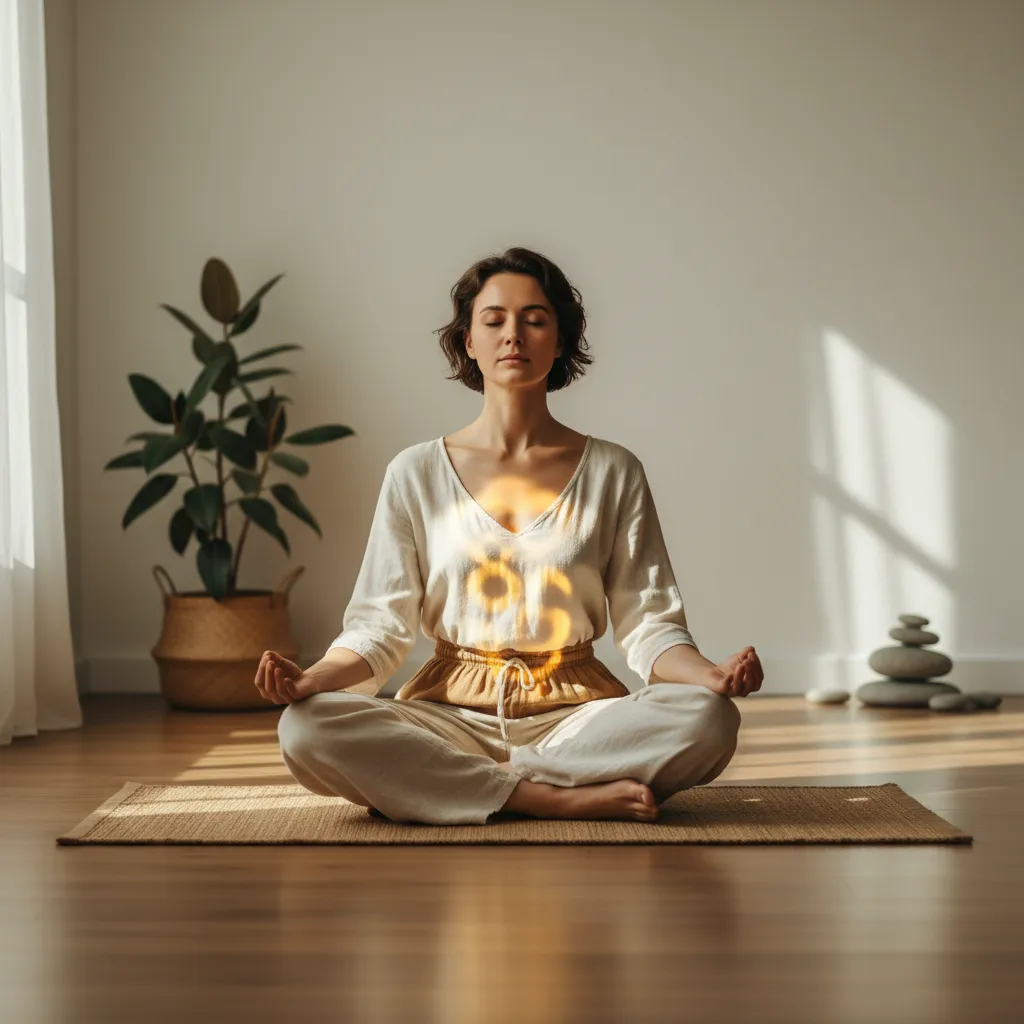
To begin, find a comfortable seated position with your back straight but relaxed. You can also stand or lie down, ensuring your posture allows for unrestricted diaphragmatic movement.
The technique follows a simple 4-count pattern, visualizing the four sides of a box. First, slowly exhale all the air from your lungs, emptying them completely.
Next, inhale deeply through your nose for a count of four. Feel your belly expand as your diaphragm pulls air into your lungs, rather than just your chest rising.
Hold your breath for a count of four. During this hold, try to relax your shoulders and facial muscles, maintaining a sense of stillness.
Then, slowly exhale through your mouth or nose for a count of four, pushing all the air out. Imagine releasing any tension with the breath. If you are tracking your stress levels, Productivity Hub tools Data can help you see patterns over time.
Finally, hold your breath again for a count of four before beginning the next inhale. Repeat this cycle for 2-5 minutes, focusing your attention entirely on the counts and the sensation of your breath.
Timing, Dosage, and Adapting Your Breath Practice
The effectiveness of breath regulation is significantly enhanced by thoughtful integration into your daily schedule. Consistency often trumps intensity.
For optimal results, aim for short, frequent sessions rather than one long, infrequent practice. Even 2-3 minutes of focused box breathing can make a noticeable difference.
Consider practicing box breathing at specific transition points in your day: before starting work, during a mid-day break, prior to an important meeting, or after a stressful encounter.
Many find a morning session beneficial to set a calm tone for the day. An evening session can also promote relaxation and prepare the body for restful sleep.
You can adapt the dosage by increasing the duration of each segment (e.g., 5-5-5-5 counts) as you become more comfortable. However, always ensure the practice remains comfortable and not forced.
If you're feeling particularly overwhelmed, a quick 60-second burst of box breathing can act as an immediate circuit breaker for rising stress. You can track your daily consistency with the Productivity Hub tools Habits feature.
Experiment to find what works best for your rhythm and energy levels. The goal is to build a sustainable practice that serves your individual needs and integrates seamlessly into your life.
Integrating Breathwork into Your Productivity Hub Workflow
Productivity Hub offers several features that can significantly support and enhance your breath regulation journey, turning intention into consistent practice.
You can schedule your daily box breathing sessions using Productivity Hub tools ToDo, setting specific reminders to ensure you don't miss a practice. Treat it as an essential appointment with yourself.
To monitor your progress and build a strong routine, track your breathwork frequency and duration with Productivity Hub tools Habits. Observing your consistency can be a powerful motivator.
Use the note-taking or journaling features within Productivity Hub to record your experiences after each session. Document how you felt before and after, noting any improvements in focus or calm.
For those moments when you need an immediate calm prompt, the Productivity Hub tools AI can offer micro-breath exercises tailored to your current task or schedule, suggesting a quick 1-2 minute reset.
If you work with specific data or metrics related to your well-being, Productivity Hub tools Data can help you correlate your breath practice with other aspects of your daily performance or mood.
Leveraging these integrated tools transforms breath regulation from an abstract concept into a structured, trackable, and integral part of your personal productivity system, reinforcing lasting habits.
Avoiding Common Mistakes in Breathwork Practice
Even with simple techniques like box breathing, certain common pitfalls can hinder progress and diminish effectiveness.
One frequent mistake is forcing the breath or trying too hard. Breathwork should be a gentle, flowing process, not a strenuous exercise. Tension defeats the purpose of relaxation.
Inconsistency is another major barrier. Irregular practice yields inconsistent results. Just like physical exercise, daily or near-daily engagement is key to building resilience.
Many individuals neglect proper posture, which can restrict diaphragm movement and lead to shallow breathing. Ensure your spine is elongated and your shoulders are relaxed.
Distraction during practice reduces its efficacy. While it's natural for thoughts to arise, the goal is to gently redirect attention back to the breath and counts, staying present.
Expecting instantaneous, dramatic transformation can lead to discouragement. While immediate calming effects are possible, profound changes in baseline stress levels take time and dedication.
Ignoring your body's signals, such as lightheadedness or discomfort, is also a mistake. If you feel dizzy, pause, return to natural breathing, and try a shorter count or duration next time.
Real-World Impacts: Mini Case Studies
A marketing manager, Sarah, struggled with focus during long brainstorming sessions. After incorporating two 3-minute box breathing sessions daily for three weeks, she reported a 25% increase in her ability to concentrate during meetings and a subjective feeling of reduced mental fatigue.
David, a software developer, frequently experienced anxiety before code reviews. He began practicing box breathing for 5 minutes just before each review. Over two months, his self-reported pre-review anxiety decreased by 40%, leading to clearer communication and more confident presentations.
An entrepreneur, Maria, found herself overwhelmed by unexpected challenges, often leading to impulsive decisions. Integrating box breathing during high-pressure moments allowed her to create a 'pause.' She noted a 30% reduction in reactive decision-making, leading to more strategic outcomes.
For John, a customer service representative, the constant stream of urgent requests caused significant stress. Implementing short 2-minute box breathing breaks every two hours helped him maintain composure. His team leader observed a 15% improvement in his conflict resolution skills.
Emily, a student, used box breathing to manage pre-exam jitters and improve recall. By practicing 5 minutes before studying and again before exams, she reported a subjective improvement in memory retention and a calmer mental state during assessments, leading to higher perceived performance.
Frequently Asked Questions About Breath Regulation
How long does it take to see results? Many people report feeling calmer and more focused after just one session. Consistent practice over weeks typically leads to more sustained reductions in stress and improved cognitive function.
Can I do this anywhere? Yes, the beauty of breath regulation is its portability. You can practice box breathing discreetly in an office chair, on public transport, or even standing in a queue.
Is it safe for everyone? Generally, yes. Breathwork is safe for most healthy individuals. However, if you have severe respiratory or cardiac conditions, it's advisable to consult a healthcare professional before starting any new breathing practice.
What if I get dizzy or lightheaded? This can happen if you're over-breathing or forcing the breath. If you feel dizzy, pause and return to your natural breath. Try shorter counts (e.g., 3-3-3-3) or fewer cycles until you find a comfortable rhythm.
How does breath regulation compare to meditation? While both involve focus and can lead to calm, breath regulation directly manipulates a physiological function to elicit a specific nervous system response. Meditation often uses breath as an anchor but encompasses broader mindfulness practices.
Sources & References
- 1
- 2
- 3