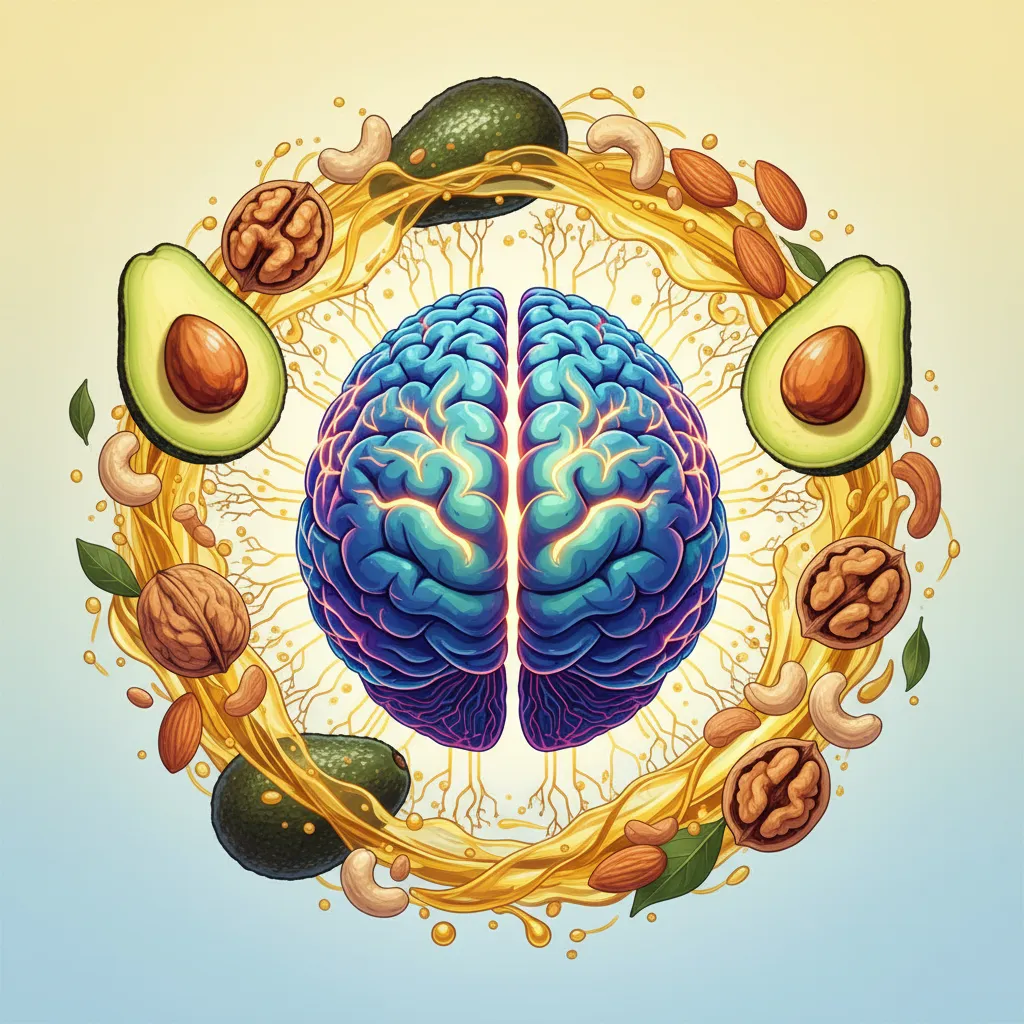
Why Your Brain Craves Healthy Fats for Focus
Your brain, despite making up only about 2% of your body weight, consumes approximately 20% of your daily caloric intake. This energy demand is immense, and the quality of its fuel directly impacts its performance.
Traditional diets, often high in refined carbohydrates and sugars, provide quick bursts of energy. However, these quickly exhaust, leading to the infamous sugar crash and subsequent brain fog.
This volatile energy supply creates a cycle where your brain struggles to maintain consistent focus and clarity. Sustained high-level cognitive function requires a more stable fuel source.
When blood sugar levels fluctuate wildly, your brain's ability to concentrate, remember information, and make sound decisions is severely compromised. This leads to reduced productivity and increased mental fatigue.
Healthy fats offer a superior alternative, providing a steady stream of energy that prevents these sharp peaks and valleys. They contribute to a more stable physiological environment, which is ideal for sustained cognitive effort.
Understanding this fundamental need is the first step toward optimizing your diet for peak mental performance. Prioritizing the right fats can transform your daily energy and focus profile.
The Science Behind Fat's Cognitive Power
The human brain is remarkably composed of nearly 60% fat, making it the fattiest organ in the body. This structural composition highlights the crucial role dietary fats play in brain integrity and function.
Essential fatty acids, particularly Omega-3s like EPA and DHA, cannot be produced by the body and must be obtained through diet. These compounds are integral to cell membrane fluidity and neural communication.
Numerous studies have linked higher omega-3 intake to improved memory, enhanced learning capabilities, and even better mood regulation. They are vital for neuroplasticity, the brain's ability to adapt and form new connections.
Beyond structural roles, certain fats like Medium-Chain Triglycerides (MCTs), found in coconut oil, offer a unique energy pathway. They are rapidly converted into ketones, which the brain can use as an efficient alternative fuel source, especially when glucose is limited.
Research indicates that a diet rich in healthy fats supports stable blood glucose levels, which is paramount for sustained attention and reduced cognitive decline. This stability avoids the rapid inflammatory responses associated with sugar spikes.
Moreover, healthy fats possess anti-inflammatory properties that protect brain cells from damage. Chronic inflammation is increasingly recognized as a contributor to cognitive impairment and neurodegenerative diseases.
The evidence strongly supports that intelligent fat consumption is not just about general health, but specifically about bolstering and preserving superior brain function over time.
Real-World Benefits of a Fat-Fueled Brain
Embracing a diet rich in healthy fats can unlock a cascade of tangible benefits for your daily life. The most immediate and noticeable gain is often a significant improvement in mental clarity and sustained focus.
You'll find yourself less prone to the midday slump, maintaining a sharp edge through complex tasks. This translates directly into higher quality work and fewer errors, enhancing overall productivity.
Another key benefit is improved memory retention and an enhanced capacity for learning new information. The brain's ability to form and retrieve memories is directly supported by optimal fatty acid profiles.
Many also report a noticeable reduction in anxiety and an overall improvement in mood regulation. Healthy fats contribute to the production and balance of neurotransmitters, impacting emotional stability.
Stable energy levels become the norm, eliminating the frustrating rollercoaster of highs and lows. This consistent vitality allows for more predictable and efficient task completion throughout your day.
Furthermore, better problem-solving abilities and sharper decision-making are frequently observed. A well-fueled brain is better equipped to process information and navigate challenges effectively.
Practical Protocols for Incorporating Healthy Fats
Integrating healthy fats into your daily diet is simpler than you might think. Start by identifying key sources: avocados, nuts (almonds, walnuts), seeds (chia, flax, pumpkin), olive oil, and fatty fish (salmon, mackerel).
For breakfast, swap sugary cereals for options like avocado toast with eggs, a smoothie with chia seeds and almond butter, or Greek yogurt with a sprinkle of walnuts and flax seeds. These provide sustained energy.
Throughout the day, incorporate healthy fats into snacks and meals. A handful of nuts makes an excellent brain-boosting snack, while a salad dressed with extra virgin olive oil and topped with seeds adds crucial nutrients.
When cooking, replace unhealthy cooking oils with avocado oil or olive oil. Opt for baking or roasting fish instead of frying, preserving its beneficial fat content.
Be mindful of processed foods, which often contain unhealthy trans fats and refined vegetable oils. Prioritize whole, unprocessed ingredients whenever possible to maximize nutritional impact.
Consider using Productivity Hub tools ToDo to list out your favorite healthy fat sources and build a shopping list. This structured approach helps ensure you always have brain-fueling ingredients on hand.
Small, consistent changes can lead to significant improvements in your cognitive function and overall well-being.
Timing, Dosage, and Personal Adaptation
The timing of your healthy fat intake can significantly influence your energy and focus. Prioritizing healthy fats at breakfast is highly effective for jump-starting your day with stable, sustained brain energy.
A breakfast rich in healthy fats and protein helps prevent the early morning blood sugar spikes and subsequent crashes that can derail your productivity before noon.
While specific dosage can vary based on individual activity levels, metabolic needs, and dietary goals, general guidelines suggest that healthy fats should constitute 20-35% of your total daily caloric intake.
It is recommended to introduce dietary changes gradually. Drastically altering your fat intake overnight can sometimes lead to digestive discomfort as your body adapts.
Pay close attention to how different fat sources make you feel. Some individuals may thrive on more avocado, while others might prefer a higher intake of nuts or seeds. Personal observation is key.
Tracking your energy levels and focus after meals using Productivity Hub tools Data can provide valuable insights into optimal timing and types of fats for your unique physiology. This data-driven approach helps fine-tune your diet for peak performance.
Listen to your body's signals and adjust your intake until you find the perfect balance that supports your sustained mental clarity and energy throughout the day.
Optimizing Your Diet with Productivity Hub
Productivity Hub offers several integrated tools that can help you seamlessly incorporate healthy fats into your diet and monitor their impact on your cognitive performance.
Utilizing Productivity Hub tools Habits, you can set daily reminders to ensure consistent intake of healthy fats. For example, a reminder to add a tablespoon of chia seeds to your morning smoothie or to have a handful of almonds as an afternoon snack.
Productivity Hub tools ToDo can be invaluable for meal planning. Create lists for weekly grocery shopping focusing on nutrient-dense fat sources like salmon, avocados, and various nuts and seeds.
Track your energy levels and focus patterns by logging your meals in Productivity Hub tools Data. This allows you to correlate specific dietary choices, especially fat intake, with your mental clarity and productivity throughout the day.
Leverage Productivity Hub tools AI for personalized meal suggestions. Input your dietary preferences and goals, and the AI can generate recipes that are rich in healthy fats, tailored to your needs.
Within Productivity Hub tools Settings, you can set personal goals for dietary improvements, such as increasing omega-3 intake or reducing unhealthy processed fats. This creates a structured pathway to better brain health.
By integrating your dietary habits with your productivity system, you create a powerful feedback loop that supports both your physical and cognitive well-being, driving consistent performance.
Common Mistakes to Avoid
One common mistake is relying solely on supplements for healthy fat intake while neglecting whole food sources. While supplements can be beneficial, they should complement, not replace, a diet rich in natural fats.
Another error is ignoring overall caloric intake, assuming that all healthy fats can be consumed without limit. Even beneficial fats contribute to your daily calorie count, and excessive consumption can still lead to weight gain.
Many people still fall into the trap of fearing all fats and opting for 'low-fat' or 'fat-free' processed alternatives. These products often replace fat with unhealthy sugars or artificial ingredients, negating any perceived benefit.
Lack of variety in fat sources is another pitfall. Consuming a diverse range of healthy fats ensures you receive a broad spectrum of fatty acids and micronutrients that collectively support brain health.
Failing to combine healthy fats with adequate protein and fiber can also limit their effectiveness. This trio works synergistically to promote satiety, stabilize blood sugar, and support digestive health.
Overcooking healthy fats, especially delicate oils like extra virgin olive oil, can degrade their beneficial compounds. Opt for gentler cooking methods or add them after cooking for maximum nutritional value.
Thinking of dietary change as a temporary fix rather than a sustainable lifestyle adjustment is a significant mistake. Consistent, long-term adherence to healthy fat intake yields the most profound cognitive benefits.
Quantified Case Studies: The Impact of Healthy Fats
Case Study 1: Sarah, a 32-year-old marketing manager, suffered from severe morning brain fog. After replacing her sugary cereal with avocado toast and a sprinkle of chia seeds, she reported a consistent 2-hour increase in her focused work capacity before lunch, noting a 'clearer mental startup'.
Case Study 2: Mark, a 24-year-old university student, struggled with afternoon slumps during study sessions. Incorporating a handful of walnuts and almonds as his afternoon snack led to a significant improvement in his ability to concentrate on complex material, enhancing his memory retention.
Case Study 3: Emily, a 45-year-old creative professional, often experienced irritability and fluctuating moods. After consistently adding fatty fish like salmon twice a week and using olive oil liberally, she observed greater emotional stability and a more consistent creative flow, correlating with reduced anxiety.
Case Study 4: David, a 28-year-old endurance athlete, found his mental stamina waning during long training runs. By increasing his intake of healthy fats through avocado, nuts, and flaxseed oil in his meals, he reported maintaining better mental acuity and focus throughout his extended workouts.
Case Study 5: Jessica, a 38-year-old executive, aimed to improve her decision-making under pressure. After consciously incorporating more healthy fats, including daily servings of nuts and avocados, she noted sharper analytical skills and more confident, swift decision-making in high-stakes meetings.
Frequently Asked Questions
Q1: What are the 'best' healthy fats for brain health? A: Omega-3 fatty acids (found in fatty fish, flaxseeds, chia seeds, walnuts), monounsaturated fats (olive oil, avocados, nuts), and Medium-Chain Triglycerides (MCTs) from coconut oil are particularly beneficial for cognitive function.
Q2: Can I get enough healthy fats from a vegetarian or vegan diet? A: Absolutely. Plant-based sources such as avocados, nuts (walnuts, almonds), seeds (chia, flax, hemp), and plant-based oils (olive, avocado) are excellent sources of healthy fats for a vegetarian or vegan diet.
Q3: How much healthy fat should I consume daily for optimal brain function? A: While individual needs vary, generally aiming for 20-35% of your total daily calories from healthy fats is a good starting point. Consult a nutritionist for personalized guidance.
Q4: Will eating more healthy fat make me gain weight? A: Not necessarily. Healthy fats are calorie-dense, so portion control is important. However, their ability to promote satiety and stabilize blood sugar can help manage appetite, potentially aiding in weight management when part of a balanced diet.
Q5: How quickly can I expect to see results from increasing my healthy fat intake? A: Many individuals report noticeable improvements in energy stability and mental clarity within a few days to a couple of weeks of consistent healthy fat intake. Long-term benefits, such as improved memory and mood, build over time with sustained dietary changes.
Sources & References
- 1
- 2
- 3