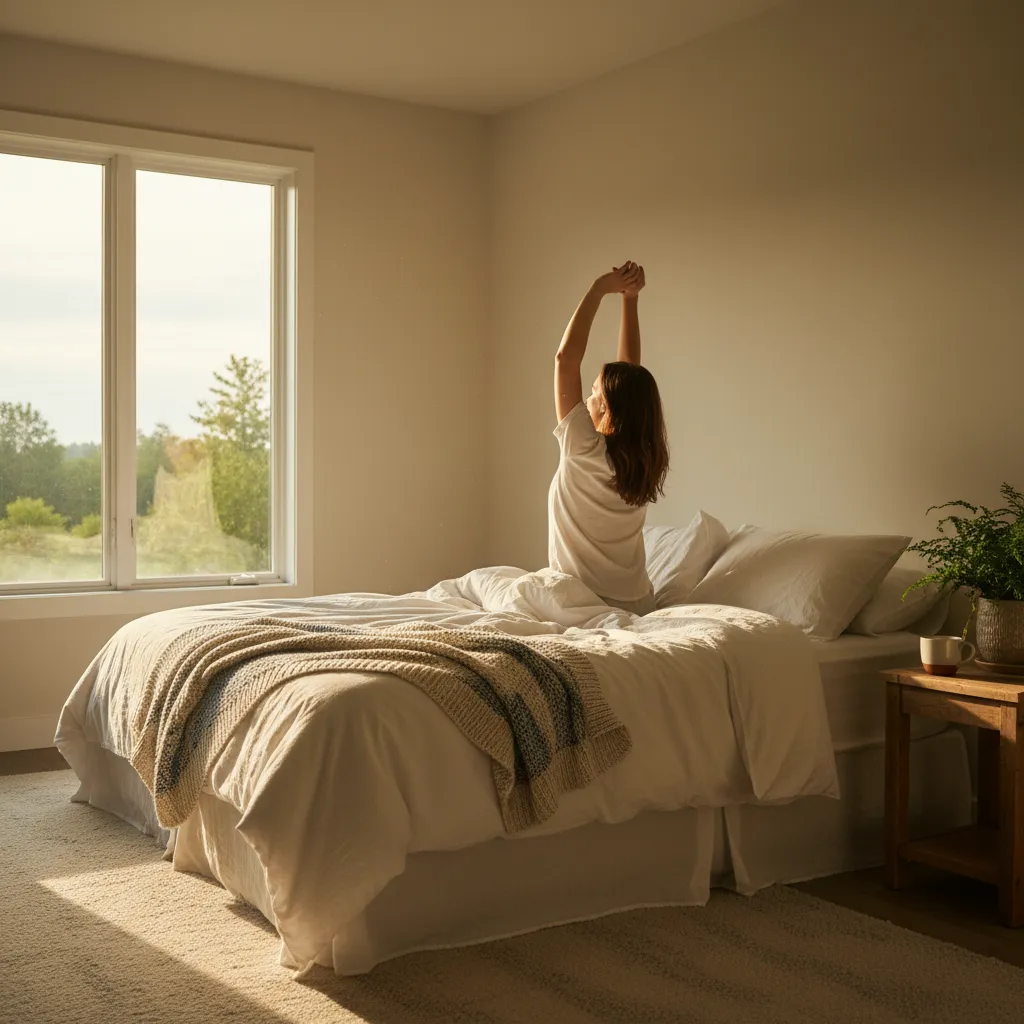
The Undeniable Importance of Deep Sleep for Daily Function
Deep sleep, also known as slow-wave sleep (SWS), is a non-REM sleep stage characterized by high-amplitude, low-frequency delta waves in the brain. It is the period of most intense physical repair and mental restoration.
During deep sleep, the body releases growth hormone, which is essential for cell regeneration, muscle repair, and immune system strengthening. This makes it vital for athletes and anyone undergoing physical stress.
Beyond physical benefits, deep sleep plays a critical role in memory consolidation. It helps transfer information from short-term to long-term memory, enhancing learning and cognitive performance.
A consistent lack of deep sleep can lead to impaired cognitive function, reduced emotional regulation, and a weakened immune response. It also increases the risk of metabolic disorders and chronic diseases.
Many individuals unknowingly suffer from insufficient deep sleep due to modern lifestyles, poor sleep hygiene, and irregular schedules, contributing to a widespread public health issue.
Optimizing deep sleep is not merely about extending total sleep time, but about improving the quality and architecture of your sleep cycles to maximize restorative benefits.
Prioritizing deep sleep is a foundational step towards greater energy, focus, and overall physical and mental health, impacting every aspect of daily life.
Scientific Evidence: How Light Regulates Your Circadian Rhythm
The suprachiasmatic nucleus (SCN) in the hypothalamus acts as the body's master clock, coordinating all circadian rhythms. This internal clock is highly sensitive to light cues from the environment.
Specialized photoreceptors in the retina, called intrinsically photosensitive retinal ganglion cells (ipRGCs), detect light, particularly blue light wavelengths, and send signals directly to the SCN.
When these cells detect bright light in the morning, they signal to the SCN that it is daytime, initiating a cascade of physiological responses. This includes suppressing melatonin production, the hormone that promotes sleep.
This morning light exposure helps to 'lock in' your circadian rhythm, ensuring that melatonin production begins later in the evening and peaks at the appropriate time for sleep onset.
Research shows that consistent morning light exposure shifts the body's internal clock earlier, making it easier to fall asleep at night and wake up naturally in the morning.
Studies have demonstrated that individuals exposed to bright morning light exhibit more consolidated sleep patterns and spend a greater proportion of their sleep in restorative deep sleep stages.
Conversely, insufficient morning light can delay the circadian clock, leading to difficulties with sleep initiation and an overall disruption in sleep architecture, including reduced deep sleep.
Realistic Benefits of Consistent Morning Light Exposure
One of the most immediate and impactful benefits is a noticeable improvement in sleep onset and duration. Consistent morning light helps you fall asleep faster and stay asleep longer.
Individuals often report a significant increase in the quantity and quality of deep sleep, leading to more profound physical and mental recovery each night.
Beyond sleep, morning light exposure can boost daytime alertness and cognitive performance. By aligning your circadian rhythm, you experience less grogginess and improved focus.
Mood regulation is another key benefit. Optimized light exposure helps stabilize neurotransmitter levels, contributing to reduced symptoms of seasonal affective disorder and general mood improvement.
It also plays a role in metabolic health. A well-tuned circadian rhythm can improve insulin sensitivity and glucose metabolism, reducing the risk of metabolic syndrome.
Consistent morning light can strengthen your immune system, as sleep quality directly impacts the body's ability to fight off infections and inflammation.
Overall, integrating morning light exposure leads to greater energy levels, enhanced mental clarity, and a stronger physiological foundation for optimal health and productivity.
Limits, Risks, and Misconceptions About Light Exposure
Not all light is equal. Exposure to bright artificial light, especially blue light from screens, in the evening can severely disrupt your circadian rhythm, counteracting any morning light benefits.
Wearing sunglasses immediately after waking up, even outdoors, can significantly diminish the intensity of light reaching your ipRGCs, reducing its effectiveness.
One common misconception is that any light is sufficient. The intensity of outdoor light, even on a cloudy day, is orders of magnitude greater than typical indoor lighting, making outdoor exposure superior.
While morning light is powerful, it is not a standalone cure for severe sleep disorders. It works best as part of a holistic approach to sleep hygiene, including consistent bedtimes and a dark sleep environment.
There are no significant risks associated with natural morning light exposure, assuming normal sun safety precautions are taken to protect skin and eyes from prolonged, direct midday sun.
Light therapy lamps can be effective for those unable to get outdoor light, but they must be used correctly, typically within the first hour of waking and positioned appropriately for maximum impact.
Misunderstanding the timing and intensity of light exposure can lead to suboptimal results or even exacerbate sleep issues if bright light is introduced too late in the day.
A Practical Protocol for Maximizing Morning Light Benefits
Step 1: Consistent Wake-Up Time. Establish a regular wake-up time, even on weekends. This consistency is crucial for entraining your circadian rhythm.
Step 2: Immediate Light Exposure. Within 30 minutes of waking, expose yourself to bright outdoor light. Aim for 10-30 minutes of exposure.
Step 3: Go Outside. The most effective way is to step outside. Take a short walk, have your coffee on a patio, or simply stand by a window with direct sunlight.
Step 4: Avoid Sunglasses. During this initial exposure, avoid wearing sunglasses as they block the crucial light wavelengths needed to signal your brain.
Step 5: Be Mindful of Obstacles. Windows filter out some beneficial light, so direct outdoor exposure is always preferred. If outside isn't an option, sit near a large window.
Step 6: Leverage Light Therapy (If Necessary). For dark winter mornings or if outdoor access is limited, consider a high-quality light therapy lamp (10,000 lux) used at arm's length.
Step 7: Evening Light Hygiene. Complement morning light with proper evening light hygiene. Dim indoor lights, use warm-spectrum bulbs, and minimize screen time at least 2-3 hours before bed.
Timing, Dosage, and Adaptation for Optimal Results
Timing is paramount: The most critical window for light exposure is within the first 30-60 minutes after waking. This early signal is essential for reinforcing the daytime message to your SCN.
Dosage varies: Aim for at least 10 minutes of direct outdoor light on a sunny day. On cloudy days, extend this to 20-30 minutes due to reduced light intensity.
Consistency over intensity: While intensity matters, consistency in daily exposure is more important for long-term circadian regulation. Missing a day occasionally is less detrimental than inconsistent timing.
Individual adaptation: The time it takes to see results can vary. Some individuals notice improvements in alertness and sleep quality within a few days, while for others, it may take 2-4 weeks for significant shifts to occur.
Listen to your body: Pay attention to how you feel. Increased morning alertness and easier sleep onset are indicators that the protocol is effectively re-calibrating your internal clock.
Adapt to seasons: In winter months with shorter daylight hours, you may need to increase the duration of your morning light exposure or supplement with a light therapy device.
Sustainable routine: Integrate this habit into your existing morning routine. Combine it with a walk, preparing breakfast, or simply enjoying a moment of quiet reflection to make it sustainable.
Integrating Light Exposure Tracking into Productivity Hub
Productivity Hub offers robust tools to help you track and optimize your morning light exposure for improved deep sleep.
Utilize the Productivity Hub tools Data feature to log your daily morning light exposure. Record the duration, estimated intensity (e.g., direct sun, cloudy, light lamp), and timing relative to waking.
Set up a custom habit in Productivity Hub tools Habits to ensure consistency. Create a daily reminder for your morning light exposure, checking it off each day to build momentum.
Over time, use Productivity Hub tools Data to correlate your morning light consistency with sleep metrics from your wearable device. Observe trends in deep sleep duration and quality.
The Productivity Hub tools AI can analyze your logged light exposure against your sleep patterns, offering personalized insights and suggesting optimal timings based on your individual data and typical wake-up times.
If you consistently miss your morning light, Productivity Hub tools AI can also prompt you with gentle reminders or suggest alternative strategies for achieving your light goals, such as adjusting your evening routine to support better morning consistency.
This integrated approach helps you quantify the impact of morning light, turn it into a sustainable habit, and leverage data-driven insights to continually refine your sleep optimization strategy.
Common Mistakes to Avoid When Seeking Light Exposure
Mistake 1: Staying Indoors: Believing that light through a window is as effective as outdoor light. Glass filters out critical UV and some blue light wavelengths, reducing intensity.
Mistake 2: Wearing Sunglasses: Putting on sunglasses immediately after waking, even when outside. This blocks the light signals needed by your ipRGCs.
Mistake 3: Inconsistent Timing: Getting morning light some days but not others, or at vastly different times. Consistency is key for circadian entrainment.
Mistake 4: Insufficient Duration: Spending only a minute or two outside. Aim for at least 10-15 minutes on a sunny day, or 20-30 minutes if it's cloudy.
Mistake 5: Looking at a Phone: Staring at a phone screen while trying to get morning light. This distracts from direct eye exposure to the ambient light source and can even introduce counterproductive blue light at close range.
Mistake 6: Ignoring Evening Light: Prioritizing morning light but then exposing yourself to bright artificial light and screens late into the evening. This creates a confusing signal for your circadian rhythm.
Mistake 7: Expecting Instant Cures: While effective, morning light is a biological process that takes time to adjust. Patience and consistency are crucial for long-term benefits.
Mini Quantified Case Studies: Real-World Impact
Case Study 1: Sarah, 34, Marketing Manager. Struggled with daytime fatigue despite 8 hours in bed. After a month of a 20-minute morning walk within 30 minutes of waking, her sleep tracker data showed a 15% increase in deep sleep duration, and she reported feeling significantly more alert.
Case Study 2: Mark, 48, Software Developer. Experienced frequent night awakenings. Implementing a consistent 15-minute outdoor morning light session and reducing evening screen time led to a 22% reduction in wake after sleep onset (WASO) and improved sleep efficiency over six weeks.
Case Study 3: Emily, 29, Remote Worker. Noticed a significant lag in motivation and mood during winter. Using a 10,000 lux light therapy lamp for 25 minutes each morning for two months resulted in a reported uplift in mood and an 11% average increase in her deep sleep scores.
Case Study 4: David, 55, Retired. Often felt groggy in the mornings. Adopting a routine of drinking coffee on his patio for 30 minutes shortly after sunrise for three months led to a consistent improvement in morning alertness and a subjective feeling of deeper, more restorative sleep.
Case Study 5: Olivia, 22, University Student. Struggled with irregular sleep due to study habits. Prioritizing 10 minutes of direct sun exposure on campus each morning helped stabilize her sleep-wake schedule, reducing sleep onset latency and improving her ability to focus during lectures.
Frequently Asked Questions About Morning Light Exposure
Q1: What if it's cloudy or raining? A: Even on cloudy days, outdoor light intensity is significantly higher than indoor light. Go outside for a longer duration (20-30 minutes). If raining heavily, sit by a large, uncovered window, or use a light therapy lamp.
Q2: Can I use a light box/therapy lamp instead? A: Yes, a 10,000 lux light therapy lamp can be an effective alternative, especially in winter or for those with limited outdoor access. Position it about an arm's length away, ensuring the light enters your eyes indirectly, for 20-30 minutes.
Q3: Does screen light count? A: No, light from screens like phones or computers is too close and often does not provide the broad spectrum or intensity needed to effectively signal your SCN. Plus, it can be counterproductive if used too close to bedtime.
Q4: How long does it take to see results? A: Some individuals report feeling more alert within a few days. Significant improvements in deep sleep and circadian alignment typically become noticeable within 2-4 weeks of consistent practice.
Q5: What about evening light? A: Evening light hygiene is equally important. Dim lights, use warm-spectrum bulbs, and block blue light from screens (or avoid screens entirely) 2-3 hours before bed to allow for natural melatonin production.
Sources & References
- 1
- 2
- 3