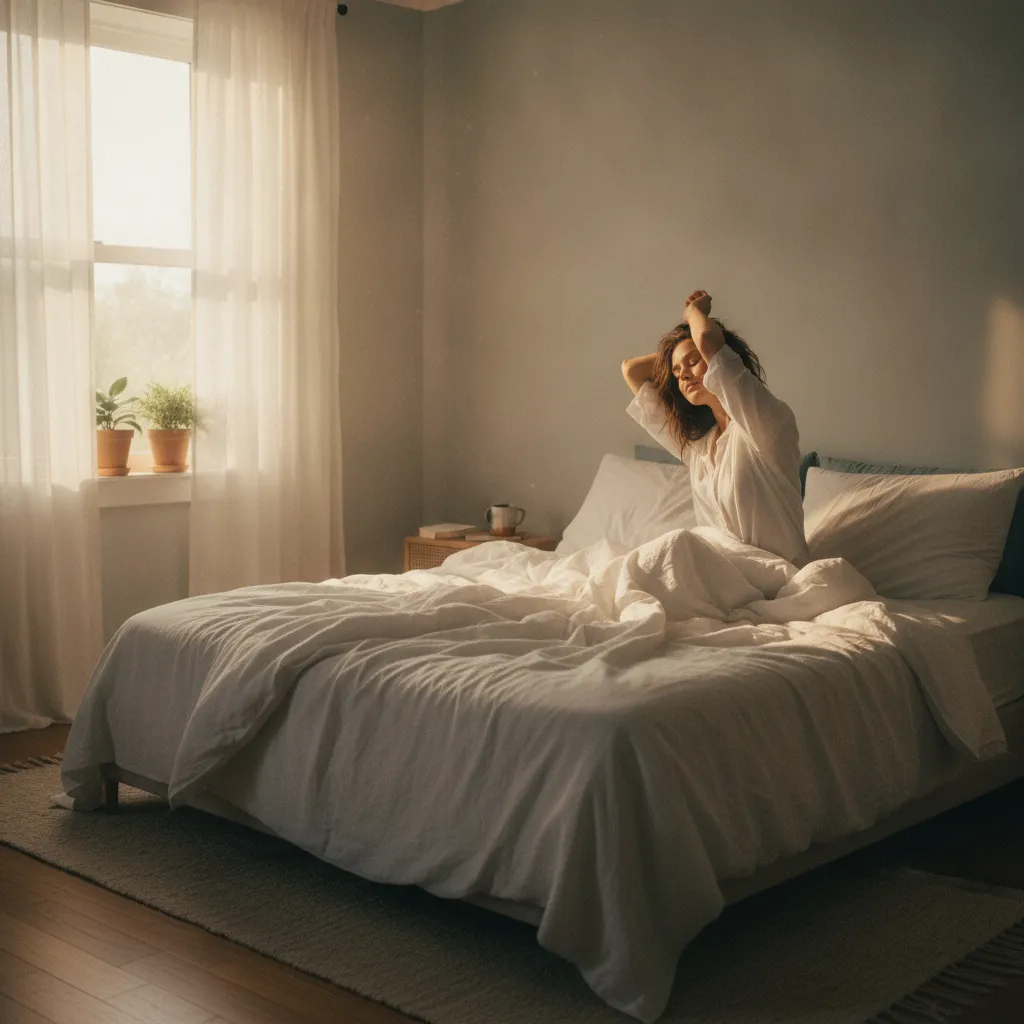
The Undeniable Importance of Deep Sleep and Circadian Rhythm
Deep sleep is a non-negotiable pillar of health, serving as the primary phase for physical repair and growth. During this stage, your body releases growth hormone, repairs tissues, and consolidates memories, making it vital for both physical and cognitive function.
A well-regulated circadian rhythm acts as the conductor of your body's internal orchestra, harmonizing sleep-wake cycles, hormone production, and metabolic processes. When this rhythm is disrupted, the entire system can fall out of tune.
Modern lifestyles, characterized by artificial light exposure at night and insufficient natural light during the day, commonly lead to circadian misalignment. This miscalibration negatively impacts deep sleep architecture, reducing its duration and quality.
Suboptimal deep sleep can manifest as chronic fatigue, impaired decision-making, difficulty concentrating, and increased susceptibility to illness. It significantly diminishes overall quality of life and productivity.
Many individuals experience 'sleep inertia' or persistent grogginess, even after spending adequate hours in bed. This often points to a lack of restorative deep sleep, rather than just insufficient sleep duration.
Prioritizing deep sleep and maintaining a robust circadian rhythm is not merely about feeling rested; it is a foundational strategy for optimizing physical health, mental acuity, and emotional resilience in the long term.
Scientific Evidence Supporting Morning Light's Impact on Sleep
Extensive scientific research confirms the critical role of morning light in regulating the human circadian clock. The suprachiasmatic nucleus (SCN) in the hypothalamus, often called the body's master clock, is highly sensitive to light signals.
When bright light, particularly blue-spectrum light present in natural daylight, hits the retina in the morning, it sends a powerful signal to the SCN. This signal actively suppresses melatonin production, signaling to the body that it is daytime.
Conversely, this morning light exposure also helps to time the subsequent release of melatonin later in the evening, approximately 12-14 hours later. This precise timing is crucial for initiating sleep onset and maintaining sleep continuity.
Studies have shown that individuals exposed to sufficient morning light exhibit earlier and more robust melatonin onset, leading to faster sleep latency and improved sleep efficiency. This directly correlates with enhanced deep sleep stages.
Research in environments with controlled light cycles demonstrates that morning light exposure can increase the proportion of time spent in deep sleep, particularly the slow-wave sleep stage. This translates to more restorative rest.
Furthermore, morning light helps to regulate cortisol patterns, promoting a healthy peak in the morning and a natural decline towards evening. A properly timed cortisol curve supports both wakefulness and the eventual transition to sleep.
Realistic Benefits of Consistent Morning Light Exposure
Incorporating consistent morning light exposure offers a range of tangible benefits that extend beyond just improved sleep. Users often report a significant boost in daytime alertness and energy levels, reducing reliance on stimulants like caffeine.
One of the most immediate and profound benefits is an improvement in sleep onset latency, meaning you'll likely fall asleep more quickly at night. Your body's internal clock becomes more aligned, making the transition to sleep smoother.
The primary objective, enhanced deep sleep quality, results in feeling more physically rested and mentally refreshed upon waking. This contributes to better recovery from physical activity and reduced brain fog.
Improved circadian rhythm alignment also positively impacts mood and cognitive function. Regular morning light can help stabilize mood, reduce symptoms of seasonal affective disorder, and enhance focus and concentration throughout the day.
Beyond sleep, this practice supports metabolic health by optimizing hormonal regulation, including insulin sensitivity and appetite control. A well-timed circadian rhythm underpins many bodily systems.
Finally, consistent morning light exposure builds resilience against daily stressors, contributing to a more robust immune system and overall vitality. It's a foundational habit for holistic well-being.
Limits, Risks, and Common Misconceptions
While morning light exposure is highly beneficial, it's not a panacea for all sleep issues. It's a powerful tool but works best as part of a comprehensive sleep hygiene strategy, not in isolation.
One common misconception is that any light is sufficient. Indoor artificial lighting, even bright office lights, typically lacks the intensity and specific spectrum of natural outdoor light to effectively signal the SCN. You need bright light.
The timing is crucial. Light exposure too late in the day, especially bright artificial light from screens or overhead fixtures, can be detrimental to sleep. Evening light suppresses melatonin and shifts your circadian rhythm later, making it harder to fall asleep.
Overexposure to unfiltered sunlight, particularly during peak UV hours without protection, carries skin health risks. The goal is light exposure for circadian signaling, not tanning.
Individuals with specific eye conditions or light sensitivities should consult a healthcare professional before implementing intense light therapy protocols. For most, natural morning light is safe and beneficial.
Another misconception is that glasses completely block the necessary light. While sunglasses are designed to block UV and visible light, even clear prescription glasses reduce intensity, though they usually allow sufficient light for circadian signaling compared to indoor settings.
Practical Protocol for Implementing Morning Light Exposure
To effectively integrate morning light exposure, aim for consistency. Your body thrives on routine, so try to expose yourself to light around the same time each day, ideally within the first hour of waking.
The most effective method is to get outdoors. Even on cloudy days, outdoor light intensity far surpasses typical indoor lighting. Step outside for at least 10-30 minutes, rain or shine.
If going outside immediately isn't feasible, position yourself near a window, ideally one that receives direct sunlight. Open curtains and blinds fully to maximize light penetration, but be aware glass filters some beneficial wavelengths.
Avoid wearing sunglasses during this morning exposure. Allow the natural light to enter your eyes directly, without staring into the sun. This direct retinal stimulation is key for signaling your SCN.
Combine morning light exposure with other healthy morning habits, such as a short walk, stretching, or mindful breathing. This reinforces the 'wake-up' signal to your body and mind.
Consider using the Productivity Hub tools Habits feature to log your morning light exposure. This can help you track consistency and build a strong streak, reinforcing the behavior over time.
For those in regions with limited natural light during winter, a bright light therapy lamp (10,000 lux) can be a valuable substitute. Position it about an arm's length away for 20-30 minutes each morning, ensuring the light reaches your eyes indirectly.
Optimizing Timing, Dosage, and Adaptation
The ideal window for morning light exposure is within 30-60 minutes of waking. This early exposure is most potent in setting your circadian clock, as your eyes are most sensitive to light at this time.
Regarding 'dosage,' aim for a minimum of 10-15 minutes on bright, sunny days, and extend this to 20-30 minutes on overcast or cloudy days. The goal is sufficient light intensity, which varies with weather.
Consistency is paramount for adaptation. Your circadian system doesn't adjust instantly; it requires repeated daily signals to firmly establish a new rhythm. Expect gradual improvements over several weeks.
For travelers or shift workers, strategic light exposure becomes even more critical. Expose yourself to light at your desired 'new morning' time to help shift your rhythm and mitigate jet lag or shift work disorder.
If you consistently wake before sunrise, use indoor lights briefly to safely navigate, then step outside immediately when the sun rises. The intensity change from dark to dawn is a powerful signal.
Tracking your sleep data alongside your morning light routine can provide valuable insights. Productivity Hub tools Data can help you correlate your light exposure habits with improvements in your deep sleep duration and quality, showing you direct results.
Integrating Morning Light Protocols with Productivity Hub
Productivity Hub offers several integrated tools to help you effectively implement and maintain your morning light exposure routine. Leveraging these features can transform a simple habit into a sustained, data-driven practice.
Utilize Productivity Hub tools ToDo to set a recurring daily task: 'Morning Light Exposure (15-30 min outdoors).' Set reminders to ensure you don't miss this crucial window, especially during busy mornings.
The Productivity Hub tools Habits tracker is ideal for monitoring your consistency. Create a habit for 'Morning Light' and mark it complete each day. Visualizing your streak can be a powerful motivator.
For a more data-driven approach, use Productivity Hub tools Data to log the exact time and duration of your light exposure. You can then compare this with your tracked sleep metrics, such as deep sleep percentage or sleep onset latency, to observe correlations.
Productivity Hub tools AI can offer personalized recommendations based on your sleep data and recorded habits. The AI might suggest adjusting your light exposure duration based on your geographical location or current sleep patterns to optimize results.
Configure notifications in Productivity Hub tools Settings for gentle reminders to step outside. You can even set a notification linked to local sunrise times for optimal timing.
Common Mistakes to Avoid for Optimal Results
One of the most frequent mistakes is underestimating the required light intensity. Sitting indoors, even by a window, often provides insufficient lux levels compared to direct outdoor exposure.
Another common error is inconsistency. Skipping days or varying the time of exposure sends mixed signals to your circadian clock, making it difficult for your body to establish a stable rhythm.
Failing to manage evening light exposure can completely undermine your morning efforts. Exposing yourself to bright screens or overhead lights late at night will suppress melatonin and negate the benefits of morning light.
Relying solely on morning light without addressing other sleep hygiene factors is also a pitfall. Diet, exercise, stress management, and a cool, dark sleep environment are all essential components.
Wearing sunglasses immediately after stepping outside for your morning light exposure defeats the purpose. Allow your eyes to fully register the light for at least 10-15 minutes before putting on shades.
Not adapting to seasonal changes is another mistake. In winter, when natural light is weaker, you may need longer exposure times or to incorporate a light therapy lamp to achieve sufficient intensity.
Mini Quantified Case Studies: Real-World Impact
Case Study 1: Sarah, 32, Marketing Professional. Sarah struggled with sleep onset, often taking over an hour to fall asleep. After consistently getting 20 minutes of outdoor morning light (starting at 7:00 AM) for four weeks, her sleep tracker showed a 40% reduction in sleep onset latency and a 15% increase in deep sleep duration.
Case Study 2: Mark, 45, Software Developer. Mark reported persistent daytime fatigue despite sleeping 7-8 hours. Implementing 30 minutes of morning light, combined with tracking in Productivity Hub tools Data, revealed his deep sleep percentage increased from an average of 12% to 20% over two months, leading to significantly improved energy levels and focus.
Case Study 3: Emily, 28, Remote Worker. Emily's sleep schedule was erratic due to remote work. She began a ritual of 15 minutes of balcony sun exposure daily at 8:30 AM. Her Productivity Hub tools Habits streak grew, and her sleep consistency score improved by 25%, with noticeable improvements in her overall sleep architecture and fewer awakenings during the night.
Case Study 4: David, 55, Retired. David experienced early morning awakenings. By committing to 25 minutes of morning park walks, his sleep tracking indicated a reduction in wakefulness after sleep onset by 30%, allowing for more consolidated deep sleep cycles and a feeling of greater restfulness.
Case Study 5: Jessica, 39, Entrepreneur. Jessica used a light therapy lamp for 20 minutes each morning due to dark winter months. Her Productivity Hub tools AI insights highlighted a strong correlation between her lamp usage and improved mood scores, alongside a measurable increase in her deep sleep efficiency by 10% compared to previous winters.
Frequently Asked Questions About Morning Light and Deep Sleep
Q: Does it matter if the sun is out, or is a cloudy day okay? A: Yes, a cloudy day is perfectly fine and still far more effective than indoor light. Even on an overcast day, the light intensity outdoors is significantly higher and contains the necessary spectrum to signal your circadian clock effectively.
Q: Can I get morning light through a window? A: While better than nothing, glass filters out some of the crucial blue light spectrum needed for strong circadian signaling. It's always best to get outdoors for direct, unfiltered light exposure for optimal results.
Q: What if I wake up before the sun rises? A: If you wake before dawn, turn on bright indoor lights to safely prepare for your day, then step outside as soon as the sun begins to rise. The transition from darkness to dawn light is a powerful signal.
Q: How long until I see results? A: While some individuals report feeling more alert within a few days, consistent and noticeable improvements in deep sleep quality and overall circadian alignment typically take 2-4 weeks of daily practice.
Q: Is afternoon light also beneficial? A: Afternoon light helps maintain alertness and can slightly reinforce your circadian rhythm, but its impact on setting the clock for optimal deep sleep is less potent than morning light. Crucially, avoid bright light after sunset.
Sources & References
- 1
- 2
- 3