The Pervasive Impact of Afternoon Energy Crashes
The afternoon energy crash is more than just feeling a little tired; it's a profound dip in cognitive function and physical stamina that affects millions. This slump typically occurs between 1 PM and 3 PM, right when many professionals need to be at their sharpest for meetings, complex tasks, or client interactions.
When energy levels plummet, decision-making becomes impaired, attention spans shorten, and the likelihood of making errors increases significantly. What might seem like a minor inconvenience can accumulate into substantial losses in efficiency and work quality over time.
Beyond professional performance, these crashes can also impact personal life, leaving individuals too drained for evening activities, exercise, or quality time with family. The ripple effect extends to mood, often leading to irritability and reduced resilience.
The desire for a quick fix, such as sugary snacks or extra coffee, often exacerbates the problem, creating a cycle of temporary highs followed by deeper lows. This reliance can lead to unhealthy eating patterns and further disrupt natural energy rhythms.
Addressing the afternoon crash isn't merely about feeling better; it's about reclaiming a significant portion of your productive day and enhancing your overall quality of life. A strategic approach to nutrition offers a sustainable solution to this pervasive challenge.
The Science Behind Stable Energy: Blood Sugar and Macronutrients
The primary mechanism behind afternoon energy crashes is often linked to unstable blood sugar levels. When we consume meals rich in refined carbohydrates, our bodies quickly convert them into glucose, leading to a rapid spike in blood sugar.
In response, the pancreas releases a surge of insulin to bring blood sugar back to normal. However, this insulin response can sometimes be overactive, causing blood sugar to drop too quickly, resulting in hypoglycemia-the feeling of a sugar crash.
Protein and fiber play crucial roles in mitigating these dramatic fluctuations. Protein slows down gastric emptying, which means glucose is released into the bloodstream more gradually, preventing sharp spikes.
Fiber, particularly soluble fiber found in vegetables, fruits, and whole grains, also slows digestion and the absorption of sugar. This creates a sustained release of energy, avoiding the 'boom and bust' cycle.
Research consistently demonstrates that meals balanced with protein, complex carbohydrates, and healthy fats lead to more stable blood glucose levels and sustained cognitive performance. This balance ensures a steady supply of energy for the brain and body.
Studies have shown that individuals consuming meals with a higher protein and fiber content report lower levels of fatigue and maintain better focus post-meal compared to those who eat carbohydrate-heavy lunches. The type and combination of nutrients are key to metabolic stability.
Realistic Benefits of a Strategic Lunch Habit
Adopting a strategic lunch habit focused on balanced macronutrients yields a cascade of tangible benefits. The most immediate and noticeable gain is a dramatic reduction in the severity and frequency of afternoon energy crashes, leading to more consistent energy levels.
With stable blood sugar, mental clarity is significantly enhanced. You'll experience improved focus, longer attention spans, and greater ease in tackling complex tasks, effectively extending your peak productivity window well into the late afternoon.
Beyond cognitive function, a well-structured lunch can lead to improved mood and reduced irritability. The emotional fluctuations often associated with blood sugar dips are minimized, fostering a more positive and resilient mindset throughout the day.
You'll likely find yourself less prone to unhealthy snacking and cravings for sugary treats, as your body is receiving sustained nourishment. This can contribute to better weight management and overall healthier eating patterns.
Over time, these benefits translate into increased output, fewer errors in your work, and a greater sense of accomplishment each day. The quality of your work improves, and you gain more control over your daily routine.
Ultimately, this simple habit contributes to a holistic improvement in well-being, allowing you to maintain physical and mental vitality not just during working hours but throughout your entire day.
Limits, Risks, and Common Misconceptions
While a strategic lunch is a powerful tool, it's not a magic bullet. Other foundational elements like adequate sleep, consistent hydration, stress management, and regular physical activity remain critical for overall energy and productivity.
A common misconception is that all carbohydrates are inherently bad. This is far from the truth. Complex carbohydrates, rich in fiber, are essential for sustained energy and gut health. The focus should be on quality of carbohydrates, not total elimination.
Another pitfall can be an unhealthy obsession with food tracking or rigid dietary rules, which can lead to unnecessary stress or disordered eating patterns. The goal is balance and sustainability, not perfection.
Individual metabolic responses can vary. What works perfectly for one person might need slight adjustments for another due to genetic factors, activity levels, or existing health conditions. It's important to listen to your body and adapt as needed.
Relying solely on this lunch strategy without addressing other lifestyle factors will limit its effectiveness. For example, consistently poor sleep will likely overshadow any gains from a perfectly balanced lunch. A holistic view is always best.
Practical Protocol for Your Crash-Proof Lunch
Building a crash-proof lunch revolves around three key macronutrients: lean protein, complex carbohydrates, and healthy fats, complemented by a generous serving of fiber-rich vegetables.
Protein: Aim for a substantial portion of lean protein, roughly 20-30 grams. Excellent sources include grilled chicken or fish, tofu, tempeh, lentils, beans, or a hard-boiled egg salad. Protein is essential for satiety and steady blood sugar.
Complex Carbohydrates: Integrate whole grains like quinoa, brown rice, whole-wheat pasta, or a small sweet potato. These provide sustained energy without the rapid spikes associated with refined carbs. Focus on a modest portion to balance energy supply.
Healthy Fats: Include sources like avocado, nuts, seeds, or a drizzle of olive oil. Healthy fats contribute to satiety and nutrient absorption, further slowing digestion and maintaining stable blood sugar.
Fiber-Rich Vegetables: Load up on non-starchy vegetables such as leafy greens, broccoli, bell peppers, or carrots. Their high fiber content is critical for digestive health and blood sugar regulation, adding bulk and nutrients.
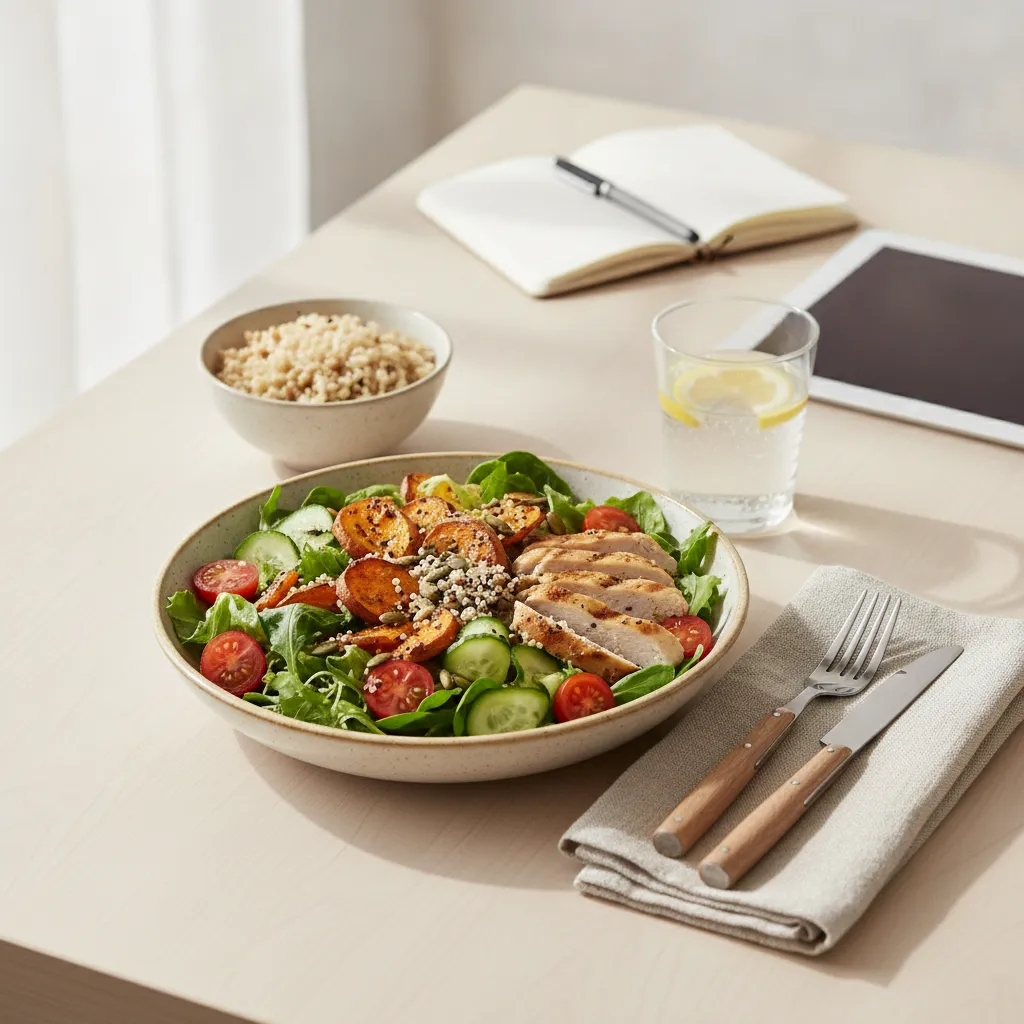
A practical example might be a large salad with grilled chicken, mixed greens, bell peppers, cucumber, a quarter of an avocado, and a small serving of quinoa, dressed with olive oil and vinegar. This combination provides sustained energy and satiety.
You can even plan your weekly lunch menu using the Productivity Hub tools ToDo, scheduling specific meal prep tasks to ensure you always have these ingredients ready. This proactive approach saves time and reduces decision fatigue during busy weekdays.
Timing, Dosage, and Personal Adaptation
Timing is Key: The ideal time for your crash-proof lunch is typically between 12:00 PM and 1:30 PM. Eating too early might lead to an early crash, while eating too late can disrupt the afternoon and evening energy cycle. Find the window that aligns best with your work schedule and natural hunger cues.
Protein Dosage: While 20-30 grams of protein is a general guideline for many adults, individual needs can vary based on body weight, activity level, and goals. Active individuals or those with higher muscle mass may benefit from slightly more. Listen to your body's satiety signals.
Carbohydrate Portion: Complex carbohydrates are beneficial, but portion control is important. A serving size roughly the size of your cupped hand is often a good starting point for whole grains, preventing excessive carbohydrate intake that could still lead to a blood sugar spike.
Adaptation and Observation: Pay attention to how different food combinations make you feel. Some individuals might be more sensitive to certain types of complex carbs than others. Experiment with various proteins and fiber sources to find your optimal balance.
Hydration: Don't underestimate the power of water. Dehydration can mimic fatigue, so ensure you're drinking water consistently throughout the day, not just with your meal. This supports overall metabolic function and energy levels.
Consider using the Productivity Hub tools Data to track your energy levels and focus post-lunch for a week or two. You can log your meal composition and then rate your afternoon productivity, allowing you to identify patterns and refine your strategic lunch for maximum effectiveness.
Integrating Your Lunch Habit with Productivity Hub
Productivity Hub offers several features that can significantly support the establishment and maintenance of your strategic lunch habit, turning it into a seamless part of your daily routine.
Use the Productivity Hub tools ToDo to plan your weekly meal prep. Create tasks like 'Shop for lean protein and fresh veggies,' 'Pre-chop vegetables for lunches,' or 'Cook a batch of quinoa.' Scheduling these actions ensures you always have the necessary ingredients ready.
The Productivity Hub tools Data can become your personal bio-feedback system. After implementing a strategic lunch, use it to track your energy levels, focus, and perceived productivity during the afternoon. Logging your lunch contents alongside these metrics can reveal powerful correlations, helping you fine-tune your approach.
Leverage Productivity Hub tools Habits to solidify your new routine. Create a habit like 'Prepare strategic lunch' or 'Eat protein-rich lunch at 1 PM.' The visual tracking and reminders can provide the consistent nudge needed to make this habit stick.
For those with advanced dietary tracking interests, future iterations of Productivity Hub tools AI might offer personalized meal suggestions based on your logged energy patterns and dietary preferences, further optimizing your lunch strategy.
Even the Productivity Hub tools Settings can be tailored to support this habit. Set up custom notifications to remind you to start your lunch prep, or to take a mindful break to enjoy your balanced meal without rushing, ensuring proper digestion and absorption.
Common Mistakes to Avoid for Optimal Energy
One of the most frequent mistakes is skipping lunch entirely or opting for a very small, insufficient meal. This can lead to extreme hunger later, often resulting in overeating or unhealthy snacking that triggers a crash.
Relying on sugary drinks or desserts after lunch is another common pitfall. While seemingly innocent, these can create significant blood sugar spikes and subsequent crashes, negating the benefits of an otherwise balanced meal.
Too many refined carbohydrates remains a top offender. A large portion of white pasta, white bread sandwiches, or sugary pastries, even if accompanied by some protein, can still lead to a rapid glucose surge.
Insufficient protein intake means you won't feel satiated for long, and your blood sugar won't be as stable. Many convenience lunches, like simple salads without adequate protein, fall into this category.
Eating too large a portion can also be counterproductive. While balanced, an excessively large meal requires more digestive energy, potentially leading to sluggishness rather than sustained vigor.
Neglecting hydration throughout the day contributes to fatigue, often confused with hunger or a blood sugar crash. Ensure consistent water intake alongside your meals.
Mindless eating at your desk or while distracted can lead to overconsumption and less satisfaction, impacting both digestion and the psychological benefits of a meal break.
Mini Quantified Case Studies
Case Study 1: Sarah, Marketing Manager. Sarah typically ate a large sandwich with chips for lunch. She reported feeling sluggish and unfocused by 2:30 PM, often making minor errors in email drafting. After switching to a lunch of grilled chicken salad with quinoa and avocado, her afternoon focus improved by 40%, and she noted a significant reduction in procrastination.
Case Study 2: David, Software Developer. David relied on takeout pizza or greasy burgers, experiencing severe afternoon brain fog that impacted his coding efficiency. Implementing a lunch of lentil soup with whole-grain bread and a side salad, he measured an average of 25% faster task completion and fewer debugging hours in the afternoons.
Case Study 3: Emily, Project Coordinator. Emily often skipped lunch or ate a small, sugary yogurt. This led to intense cravings and irritability during afternoon meetings. By consistently consuming a protein-rich tuna salad with mixed vegetables and whole-wheat crackers, she reported a 60% decrease in cravings and felt more composed and articulate in her afternoon interactions.
Case Study 4: Mark, Entrepreneur. Mark's hectic schedule meant he often grabbed convenience store snacks for lunch, resulting in inconsistent energy and difficulty concentrating on strategic planning. Adopting a pre-packed lunch of lean turkey and vegetable wraps with hummus, he found he could sustain high-level strategic thinking for an additional 90 minutes each afternoon.
Case Study 5: Jessica, Remote Educator. Jessica found her patience waning with online students in the late afternoon. Her previous lunch of instant noodles lacked vital nutrients. By preparing a balanced meal of baked salmon, broccoli, and brown rice, she observed a marked improvement in her ability to remain engaged and supportive with students until the end of her workday.
Frequently Asked Questions
Q: What if I don't have time for meal prep? A: Focus on simple, ready-to-eat options. Canned tuna or chicken, pre-cooked lentils, hard-boiled eggs, pre-cut veggies, and whole-wheat crackers can be assembled quickly. Many grocery stores offer pre-made salads with protein that fit the criteria; just check sugar content in dressings.
Q: How much protein is enough for lunch? A: For most adults, aiming for 20-30 grams of protein at lunch is a good target. This could be a palm-sized portion of chicken breast, a cup of lentils, or a few hard-boiled eggs. Listen to your body and adjust based on your activity level and satiety.
Q: Can I still have dessert or a sweet treat? A: While avoiding processed sugars is ideal, a small piece of fruit, like an apple or berries, can satisfy a sweet craving without causing a drastic blood sugar spike. The fiber in fruit helps mitigate sugar absorption. Moderation is key if you opt for something sweeter.
Q: I'm vegetarian/vegan. What are good protein sources? A: Excellent plant-based protein sources include lentils, chickpeas, black beans, tofu, tempeh, edamame, quinoa, and nuts/seeds. Combine these with plenty of fiber-rich vegetables and healthy fats for a complete, energy-sustaining meal.
Q: How long does it take to see results? A: Many individuals report noticing a difference in their energy levels and focus within just a few days of consistently implementing a strategic lunch. Long-term benefits, like improved overall metabolism and sustained energy, typically become more pronounced within 2-4 weeks.
Sources & References
- 1
- 2
- 3