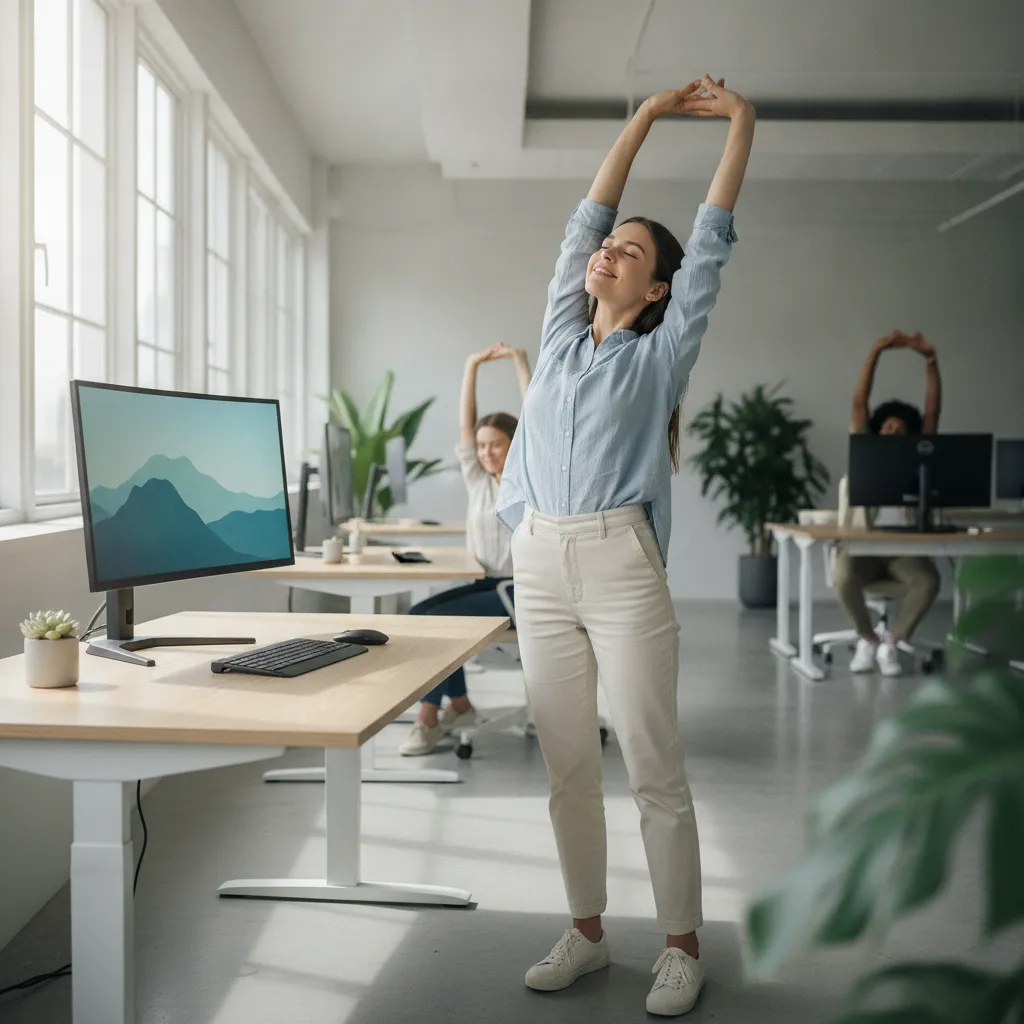
The Pervasive Problem: Why Desk Mobility Matters
Prolonged sitting is a pervasive issue in modern professional life, with many individuals spending eight or more hours a day at a desk. This sedentary lifestyle, often a necessity for work, carries significant health implications beyond just immediate discomfort.
The human body is biomechanically designed for dynamic movement, not for static, prolonged postures. When we remain still for extended periods, our muscles shorten, joints stiffen, and vital blood circulation slows, particularly in the core and lower back.
This chronic lack of movement contributes directly to a range of musculoskeletal issues, including persistent low back pain, chronic neck stiffness, shoulder tension, and even repetitive strain injuries. These conditions are not merely uncomfortable; they can severely impact work performance and overall quality of life.
Studies indicate that a substantial percentage of office workers report experiencing back or neck pain weekly, leading to increased absenteeism and decreased productivity. The economic burden of these widespread conditions on healthcare systems and businesses is also considerable.
Furthermore, the impact extends beyond physical pain; prolonged sitting has been linked to increased risks of cardiovascular disease, type 2 diabetes, and even certain types of cancer. Addressing this issue is therefore crucial for holistic long-term health.
Micro-breaks offer a practical, accessible solution to counteract these risks effectively. By integrating short bursts of movement, individuals can disrupt sedentary patterns and promote better physical health without requiring significant time commitments or specialized equipment.
The Science Behind Movement Snacks: What Research Supports
A growing body of scientific research consistently underscores the importance of breaking up sedentary time with regular physical activity, even in small increments. The concept of "movement snacks" is increasingly supported by both epidemiological and physiological studies.
One key finding is that prolonged static postures lead to 'creep' in spinal ligaments and discs, reducing their ability to withstand loads and increasing vulnerability to injury. Micro-breaks help to redistribute pressure and restore spinal tissue integrity and hydration.
Research published in esteemed journals such as the American Journal of Epidemiology and Medicine & Science in Sports & Exercise consistently demonstrates a strong correlation between increased sedentary time and various adverse health outcomes, independent of structured exercise.
Specifically, studies on office workers show that incorporating short activity breaks, typically 2-5 minutes every hour, can significantly reduce perceived pain and stiffness in the neck, shoulders, and lower back. These breaks enhance blood flow and nutrient delivery to starved tissues.
Electromyography (EMG) studies have also revealed that even subtle changes in posture or brief movements can reactivate muscles that become dormant during prolonged sitting. This re-engagement helps maintain muscle tone and prevents atrophy, crucial for spinal support.
The psychological benefits are equally compelling, with participants reporting reduced fatigue, improved mood, and enhanced concentration after implementing micro-break routines. This suggests a dual benefit for both physical comfort and cognitive performance.
Realistic Benefits of Consistent Micro-Breaks
Incorporating micro-breaks into your workday offers a cascade of realistic and tangible benefits that extend significantly beyond mere pain relief. These small, consistent actions contribute profoundly to long-term health and daily well-being.
One of the most immediate benefits is a noticeable reduction in physical discomfort, particularly in the lower back, neck, and shoulders. Regular movement helps alleviate muscle tension and prevent the insidious onset of stiffness that often builds up over hours of static sitting.
Improved posture is another key advantage. By frequently shifting and stretching, you actively train your body to maintain a more ergonomic alignment, thereby reducing undue strain on your spine and its supporting structures. This proactively combats the common slouching associated with desk work.
Enhanced blood circulation is a crucial physiological benefit of regular movement. Activity helps pump blood efficiently throughout your body, delivering essential oxygen and vital nutrients to muscles and tissues, while simultaneously aiding in the removal of metabolic waste products.
Beyond purely physical aspects, micro-breaks can profoundly boost mental clarity and sustained focus. Stepping away from the screen for just a moment allows for a powerful mental reset, helping to combat brain fog and significantly improve concentration upon returning to tasks.
This practice also fosters a proactive and empowered approach to personal health, enabling individuals to take control of their well-being throughout the day. It's an invaluable investment in sustainable productivity, ensuring you feel better and perform optimally for longer periods.
Limits, Risks, and Misconceptions to Consider
While micro-breaks offer significant benefits, it's important to approach them with realistic expectations and a clear understanding of their inherent limitations. They are a supportive measure, not a standalone cure for severe, pre-existing musculoskeletal conditions.
A common misconception is that micro-breaks negate the need for regular, moderate-to-vigorous physical activity. While highly beneficial, these short movements do not replace a dedicated exercise routine; rather, they complement it by specifically addressing sedentary time.
Another potential pitfall is performing movements incorrectly or too aggressively, especially if you have existing injuries or conditions. Always listen carefully to your body and immediately stop any stretches or movements that cause sharp or increasing pain. Consult a healthcare professional if you have persistent concerns.
Some individuals might initially perceive that micro-breaks disrupt their workflow or diminish their productivity. However, research consistently suggests the opposite: short, well-timed breaks can actually improve focus, reduce errors, and enhance overall efficiency, making the perceived interruption a net gain.
There's also a risk of falling into an "all or nothing" pattern, where if a full 2-minute break isn't feasible, no break is taken at all. The key to success is consistency, even if it means just 30 seconds of stretching; small, cumulative efforts are far more impactful.
Finally, micro-breaks alone cannot fully compensate for a poorly optimized ergonomic setup. Ensure your desk, chair, and screen are properly adjusted to support good posture during your active working periods. These foundational ergonomic factors work synergistically with movement for optimal results.
Practical Protocols for Integrating Movement Snacks
Implementing a practical micro-break protocol is considerably simpler than you might imagine, requiring no special equipment or extensive time commitments. The fundamental goal is frequent, gentle movement that effectively breaks static postures and promotes circulation.
Start by setting a recurring reminder to take a brief 1-2 minute break every 30-60 minutes. This consistent, proactive interruption is significantly more effective than longer, less frequent breaks, as it prevents the buildup of stiffness.
Focus your movements on areas commonly affected by desk work: the neck, shoulders, back, and hips. Gentle neck rolls, upward shoulder shrugs, arm circles, and seated spinal twists are excellent, accessible starting points for anyone.
Incorporate standing whenever it is feasible. Simply standing up, stretching your entire body, and perhaps walking a few steps to a water cooler or printer can be a surprisingly effective and refreshing micro-break.
Utilize digital tools to help you maintain consistency and commitment. For instance, Productivity Hub tools ToDo can include a recurring task reminder for "Movement Snack," prompting you at set intervals throughout your busy workday.
Engage in light, dynamic stretching: reach for the ceiling to lengthen your spine, perform gentle side bends, or even a quick cat-cow stretch in your chair. The primary aim is to move through a full, comfortable range of motion without any strain.
Remember to integrate deep, conscious breathing during these short breaks. Deliberate breathing can significantly enhance relaxation, improve oxygenation to your tissues, and augment the physical benefits derived from the movement itself.
Timing, Dosage, and Adaptive Strategies
The optimal timing and precise dosage of micro-breaks can and should be carefully adapted to individual needs and specific work rhythms, ensuring they integrate seamlessly into your day rather than becoming an additional hindrance.
A general guideline is to aim for a 1-2 minute break every 30-60 minutes of uninterrupted sitting. For periods of highly focused, deep work, a break every 90 minutes might be more realistic, but try to compensate with a slightly longer or more active break.
Consider your personal stiffness patterns and areas of discomfort. If you consistently notice neck stiffness after 45 minutes, then proactively set your reminder for that specific interval. If your lower back starts aching after an hour, prioritize movements targeting that area at that time.
The "dosage" isn't about intensity; it's fundamentally about consistency. Even a swift 30-second stand and stretch is demonstrably better than no break at all. Accumulate these small, intentional movements throughout your entire workday.
Adapt the types of movements based on your immediate environment. In an open office setting, more discreet stretches might be preferred, such as subtle shoulder rolls or gentle seated spinal twists. At home, you might incorporate more expansive, full-body movements.
Leveraging the functionality of Productivity Hub tools Habits can be invaluable in solidifying this routine. Set up a daily habit specifically for "Micro-break" and meticulously track your adherence. This visual reinforcement can significantly help solidify the routine into a consistent practice.
Gradually increase the duration or frequency of your breaks if you feel comfortable and observe positive effects on your well-being. The ultimate key is sustainability; discover a rhythm that you can genuinely maintain long-term without feeling overwhelmed or disrupted.
Leveraging Productivity Hub for Your Movement Routine
Productivity Hub offers several integrated features that can significantly streamline the adoption and consistent maintenance of your micro-break routine, effectively transforming good intentions into reliable, daily action.
Begin by utilizing Productivity Hub tools ToDo. Create a recurring task, such as "Desk Movement Break," and schedule it to appear every 45-60 minutes. You can even add a concise list of 2-3 specific, effective stretches directly in the task description for quick reference.
Leverage Productivity Hub tools Habits to build strong, lasting consistency. Establish a new habit specifically labeled "Daily Movement Snacks" and diligently track your successful completion each workday. This gamified approach provides valuable visual progress and ongoing motivation.
For a more advanced and personalized approach, consider exploring Productivity Hub tools AI features. You could hypothetically input your work schedule and pain points, and the AI could intelligently suggest optimal break times or even tailor movement suggestions based on your reported discomfort trends over time.
Review your adherence and progress using Productivity Hub tools Data. Analyze how often you complete your scheduled breaks and correlate this objective data with your subjective feelings of stiffness or pain levels. This data-driven insight can provide valuable feedback to refine and optimize your routine.
Within Productivity Hub tools Settings, you might customize notification sounds for your break reminders, choosing one that is pleasant, non-jarring, and encourages a positive, relaxed association with your dedicated movement time rather than feeling like an interruption.
Common Mistakes to Avoid for Optimal Results
Even with the best intentions and a clear understanding of their benefits, several common mistakes can inadvertently undermine the effectiveness of micro-breaks. Awareness of these potential pitfalls can help you optimize your routine and maximize positive outcomes.
One frequent error is inconsistency. Taking breaks only sporadically or waiting until pain becomes severe limits their preventative power significantly. The cumulative benefits truly accrue with regular, proactive, and consistent engagement.
Another mistake is performing passive stretches or simply leaning back in your chair without any active movement or engagement. True micro-breaks involve intentional, dynamic movement that effectively disrupts static posture and actively engages muscles.
Overlooking proper hydration is a subtle but surprisingly important oversight. Dehydration can exacerbate muscle stiffness and reduce vital joint lubrication, thereby making movement less comfortable and effective. Keep water accessible and drink regularly, especially during breaks.
Ignoring your body's clear signals is also detrimental. Pushing through sharp pain or significant discomfort during a stretch can lead to injury and counteracts the purpose of gentle movement. Micro-breaks should always feel gentle and relieving, not strenuous or painful.
Relying solely on a timer without internalizing the inherent need for movement is another common trap. While timers are incredibly helpful, try to develop a nuanced bodily awareness that naturally prompts you to move even without external reminders.
Finally, focusing solely on one area (e.g., only stretching the neck) while neglecting other common areas of tension like the hips, lower back, or even wrists can lead to unbalanced relief. Aim for comprehensive, full-body resets whenever possible.
Mini Quantified Case Studies: Real-World Impact
Observing real-world outcomes provides compelling, practical insight into the tangible efficacy of micro-breaks. These brief, quantified examples illustrate the practical, positive impact they can have on individuals in typical office settings.
Case Study 1: Sarah, Graphic Designer. Sarah, 34, reported chronic neck and shoulder tension after consistently spending 4-5 hours at her computer. After integrating 2-minute micro-breaks every 45 minutes for a month, focusing on gentle neck rolls and deliberate shoulder blade squeezes, she noted a 40% reduction in her daily discomfort and significantly improved range of motion.
Case Study 2: Mark, Data Analyst. Mark, 47, struggled with persistent lower back stiffness, particularly in the late afternoons. He began a routine of standing up, performing gentle spinal twists, and hip flexor stretches for 90 seconds every hour. Within just six weeks, his afternoon stiffness decreased by 55%, enabling him to maintain focus and comfort for longer durations.
Case Study 3: Emily, Content Creator. Emily, 28, often experienced eye strain and significant mental fatigue from continuous screen time. She implemented 1-minute breaks every 30 minutes, incorporating eye exercises, deep breathing, and standing stretches. Her self-reported mental clarity improved by 30%, and her eye discomfort reduced significantly.
These examples, while individual and illustrative, consistently reflect the positive patterns observed in larger scientific studies: small, consistent efforts in movement yield measurable and impactful improvements in physical comfort, mental focus, and overall well-being within the desk environment.
Frequently Asked Questions (FAQ)
Q: How long should a typical micro-break be? A: Ideally, 1-2 minutes is generally sufficient to effectively break a static posture and perform a few gentle, re-energizing movements. Even 30 seconds is demonstrably better than no break at all, but aiming for a full minute often provides maximum benefit.
Q: Do I need any special equipment or gear for micro-breaks? A: No, the most effective micro-breaks can be performed directly at your desk or within your immediate workspace without requiring any specialized equipment. The key focus is on bodyweight movement and gentle, conscious stretching.
Q: Will taking micro-breaks disrupt my focus or decrease my productivity? A: Counter-intuitively, consistent micro-breaks can actually improve your focus and enhance overall productivity. They facilitate mental resets, actively reduce fatigue, and prevent the physical discomfort that can become a major distraction.
Q: Can micro-breaks replace my regular, dedicated exercise routine? A: No, micro-breaks are not intended as a substitute for moderate-to-vigorous physical activity. They are specifically designed to mitigate the risks associated with prolonged sitting and to complement your existing fitness regimen, not replace it.
Q: What if I consistently forget to take my scheduled breaks? A: Utilize practical reminders! Set alarms on your smartphone or computer, or leverage integrated productivity tools like Productivity Hub tools ToDo or Productivity Hub tools Habits to schedule and diligently track your breaks until it organically becomes a natural and indispensable part of your daily routine.
Sources & References
- 1
- 2
- 3