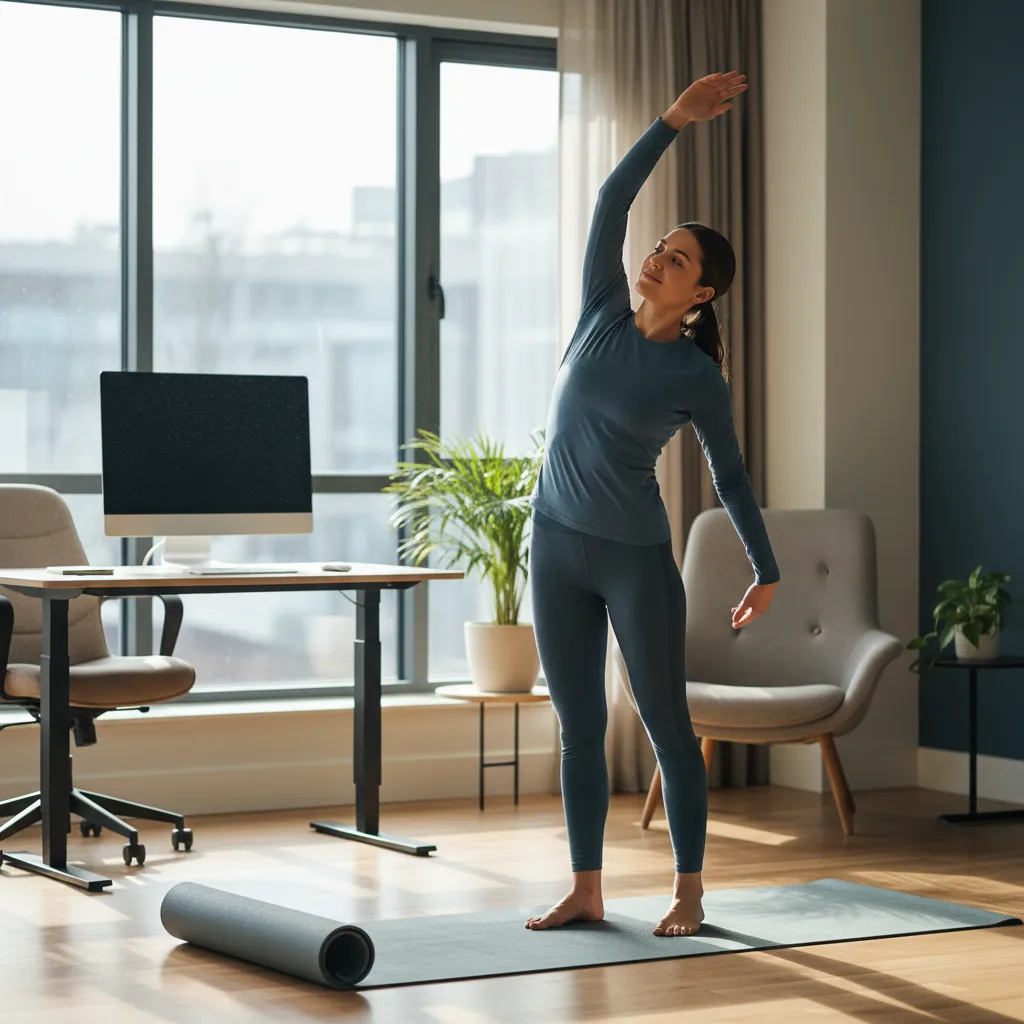
Why Daily Movement Breaks Matter More Than Ever
The modern workday often demands long hours spent in front of screens, leading to an alarmingly high rate of sedentary behavior. This lifestyle contributes to a range of health issues, including metabolic syndrome, cardiovascular disease, and increased risk of type 2 diabetes.
Beyond physical ailments, prolonged sitting has a direct and immediate impact on cognitive performance. Studies show that continuous inactivity can reduce blood flow to the brain, leading to 'brain fog' and decreased mental agility.
Our energy levels are also significantly affected. Rather than conserving energy, sitting too much can paradoxically lead to increased fatigue and a general sense of sluggishness, making it harder to stay motivated.
Breaking up these long periods of inactivity is not just a health recommendation; it's a strategic move for anyone looking to optimize their daily performance. These short breaks act as resets for both mind and body.
They counteract the negative physiological effects of sitting and provide a mental refresh, allowing you to return to tasks with renewed clarity and vigor. Understanding this fundamental necessity is the first step toward a more dynamic and productive day.
The Science Behind Movement and Cognitive Boost
Numerous studies confirm the profound connection between physical activity and brain health. Even light to moderate activity, such as walking, significantly enhances cerebral blood flow, delivering vital oxygen and nutrients to brain cells.
This increased circulation is crucial for maintaining optimal cognitive function, supporting memory, attention span, and problem-solving abilities. It helps clear metabolic byproducts that can accumulate during periods of intense mental work.
Movement also stimulates the release of neurotransmitters like dopamine, serotonin, and norepinephrine. These chemicals play a critical role in mood regulation, motivation, and learning, helping to combat stress and improve emotional resilience.
Research on 'exercise snacks' or 'activity breaks' specifically demonstrates their immediate impact on focus and alertness. Participants in studies show improved performance on cognitive tasks after just short bouts of movement.
This evidence suggests that even a few minutes of walking or stretching can interrupt the detrimental effects of prolonged sitting, offering a quick and effective way to refresh your mental state.
Furthermore, consistent, light activity contributes to neuroplasticity, the brain's ability to reorganize itself by forming new neural connections. This long-term benefit supports cognitive reserve and overall brain health.
The cumulative effect of regular, brief movements throughout the day builds a more resilient and responsive cognitive system, making sustained focus and energy more attainable.
Realistic Benefits of Integrating Micro-Movements
One of the most immediate and tangible benefits of micro-movements is a noticeable improvement in concentration. Breaking away from a task, even for a few minutes, allows your mind to reset, reducing mental fatigue and making it easier to refocus.
These small bursts of activity significantly boost energy levels without the need for stimulants. Rather than relying on caffeine, a brisk walk can naturally invigorate your system, improving alertness and combating the mid-afternoon slump.
Beyond acute effects, regular movement contributes to better mood regulation. Physical activity is a powerful antidote to stress and anxiety, releasing endorphins that act as natural mood elevators, leading to greater emotional balance.
Post-meal walks, in particular, are highly effective for managing blood sugar levels, preventing the post-meal energy crash often experienced after eating. This helps maintain stable energy and cognitive function.
Incorporating movement also helps alleviate physical discomfort associated with prolonged sitting, such as back pain, neck stiffness, and eye strain. It improves posture and reduces muscle tension, contributing to overall physical well-being.
Over time, these micro-movements contribute to improved cardiovascular health and metabolic function. They are accessible forms of activity that anyone can integrate, regardless of fitness level, yielding significant cumulative health gains.
Addressing Limits, Risks, and Misconceptions
A common misconception is that light movement breaks are a substitute for dedicated moderate-to-vigorous exercise. While beneficial, they complement, rather than replace, structured workouts, which offer different cardiovascular and strength-building advantages.
Another limit is the tendency to over-rely on a single type of movement. Varying your activities, incorporating stretches, walks, and dynamic movements, offers more comprehensive benefits to different muscle groups and cognitive processes.
Some may feel self-conscious about taking breaks in a professional environment. However, many workplaces are increasingly recognizing the value of activity, and subtle movements can be integrated without disruption.
While generally low-risk, individuals with specific health conditions should consult a doctor before significantly changing their activity levels. Simple precautions like proper footwear and awareness of surroundings are always advisable for walks.
It's also important to avoid the 'all-or-nothing' trap. Even a one-minute stretch or a brief walk to the water cooler is better than nothing. Consistency and regularity are more impactful than duration in this context.
The goal is not to achieve an intense workout, but rather to disrupt sedentary patterns. The 'risk' lies more in not taking these breaks, given the well-documented negative health and cognitive impacts of prolonged inactivity.
Practical Protocols for Integrating Movement Breaks
Start by setting a simple, achievable goal, such as a 5-minute walk every hour or a 2-minute stretch every 30 minutes. Begin small to build consistency before increasing duration or frequency.
Use a timer or a dedicated app to remind you when it's time for a break. Setting recurring alarms can help build the habit until it becomes second nature.
Incorporate 'movement anchors' into your daily routine. For instance, always take a short walk after finishing a specific task, before starting a new meeting, or immediately after lunch.
Consider using a standing desk or a desk converter for at least part of your workday. Alternating between sitting and standing is a simple yet effective way to introduce more movement.
Take phone calls while walking or standing. This is an excellent way to accumulate steps and break up sedentary periods without interrupting your workflow significantly.
Explore 'micro-stretches' that can be performed at your desk, targeting common areas of tension like the neck, shoulders, and wrists. These can be done discretely and frequently.
Optimizing Timing, Dosage, and Adaptation
The optimal 'dosage' for movement breaks is generally considered to be 5-10 minutes every hour, or at minimum, every 90 minutes. However, even 1-2 minutes of movement can be beneficial in disrupting prolonged sitting.
Timing is crucial: aim to break up long periods of sitting rather than waiting until you feel stiff or fatigued. Proactive movement prevents the decline in focus and energy before it sets in.
Post-meal walks are particularly effective. A 10-15 minute walk after lunch or dinner can significantly aid digestion, stabilize blood sugar, and prevent the common post-meal energy dip.
Adapt your movement breaks to your environment and schedule. If a full walk isn't feasible, try desk stretches, walking laps around your office, or simply standing up and doing a few squats.
Listen to your body and adjust. Some days you might feel more energetic for a longer break, while on others, a quick stretch is all you can manage. The key is consistent disruption of sedentary time.
To maximize efficiency, combine movement with other tasks. For example, walk to a colleague's desk instead of emailing, or take the stairs instead of the elevator. These small changes add up over time.
Leveraging Productivity Hub for Movement Integration
Productivity Hub offers robust tools to seamlessly integrate movement breaks into your daily workflow. Start by using the Productivity Hub tools ToDo to schedule recurring 'movement break' tasks.
Set these tasks to appear every hour or 90 minutes, complete with a specific duration or suggested activity like '5-min brisk walk' or 'desk stretches'. This ensures you receive timely reminders and build consistency.
Utilize Productivity Hub tools Habits to track your adherence to these movement breaks. Create a 'Daily Movement' habit and mark it complete each time you take a break, reinforcing the positive behavior.
The Productivity Hub tools Data features allow you to visualize your movement patterns over time. Monitor how consistently you take breaks and observe correlations between your activity levels and reported focus or energy.
For advanced users, Productivity Hub tools AI can analyze your activity data and provide personalized suggestions for break timings or types of movement based on your established routines and energy dips. This offers tailored optimization.
Regularly review your progress in Productivity Hub tools Data to identify peak sedentary times and strategically place new movement anchors. Adjust your Productivity Hub tools Settings to optimize notification frequency for movement reminders.
Common Mistakes to Avoid
One frequent mistake is treating movement breaks as optional if a deadline is approaching. These breaks are especially crucial during intense periods, as they enhance focus and prevent burnout, ultimately improving efficiency.
Another error is waiting until you feel tired or stiff before moving. Proactive breaks are far more effective at preventing fatigue and maintaining cognitive sharpness than reactive ones.
Failing to plan your breaks is also common. Without a scheduled reminder or a designated 'movement anchor,' it's easy for the workday to slip by without any intentional activity.
Some individuals make the mistake of associating movement breaks only with 'exercise.' Remember, the goal is not a workout but a disruption of sedentary patterns, which can be achieved through very light activity.
Relying solely on a single long workout session outside of work hours and neglecting movement throughout the day is a significant oversight. The benefits of breaking up sitting are distinct from those of a dedicated exercise routine.
Ignoring your body's signals is a mistake. If you feel a persistent ache or mental fog, it's often a strong indicator that you need a movement break, even if it's not on your schedule yet.
Mini Quantified Case Studies
Case Study 1: The Focused Freelancer. Sarah, a freelance graphic designer, struggled with afternoon slumps and reduced creativity. She implemented 5-minute walks every hour, tracked with a simple timer. After two weeks, she reported a 20% increase in sustained focus and completed projects faster, attributing it to fewer mental blocks.
Case Study 2: The Energized Executive. Mark, an executive, often felt drained by 3 PM despite early morning workouts. He began taking 10-minute post-lunch walks and using a standing desk for 30 minutes every two hours. His energy charts showed a marked reduction in afternoon dips, and he noted clearer decision-making in late-day meetings.
Case Study 3: The Productive Project Manager. Emily, managing a complex software project, found her team's productivity suffered from long, uninterrupted desk time. She encouraged 2-minute stretch breaks every hour for her team. Within a month, team feedback indicated improved morale, fewer complaints of physical discomfort, and better collaborative problem-solving.
Case Study 4: The Student's Success. David, a university student, used to cram for hours, leading to burnout. He started taking a 15-minute walk for every two hours of study. His recall improved during exams, and he felt less overwhelmed, demonstrating that even study breaks are more effective with movement.
Case Study 5: The Post-Meal Walker. Lisa, prone to post-meal sluggishness, committed to a 15-minute walk after lunch daily. Her blood sugar readings showed greater stability, and she experienced no afternoon crash, maintaining her work output consistently through the afternoon.
Frequently Asked Questions About Movement Breaks
Q: How long should a movement break be? A: While 5-10 minutes every hour is ideal, even 1-2 minutes of standing or light stretching can significantly disrupt sedentary patterns and offer immediate benefits. Consistency is more important than duration.
Q: What kind of movement is best? A: Any movement that gets you out of your chair and changes your posture is beneficial. Walking, stretching, climbing stairs, or even simple squats or lunges are all excellent options. Variety is key.
Q: Can these breaks replace my regular exercise? A: No, movement breaks complement, but do not replace, dedicated moderate-to-vigorous exercise. They serve different physiological purposes, with breaks focusing on combating sedentary effects and maintaining consistent energy.
Q: I work in an open office; how can I take breaks without disturbing others? A: You can opt for subtle desk stretches, walk to the water cooler or restroom, take a quick trip to another floor, or use a standing desk. If calls permit, pace while talking.
Q: How quickly will I see results? A: Many people report immediate improvements in focus and energy after their first intentional movement break. Sustained benefits, like improved mood and reduced physical discomfort, typically manifest within a few days to weeks of consistent practice.
Sources & References
- 1
- 2
- 3