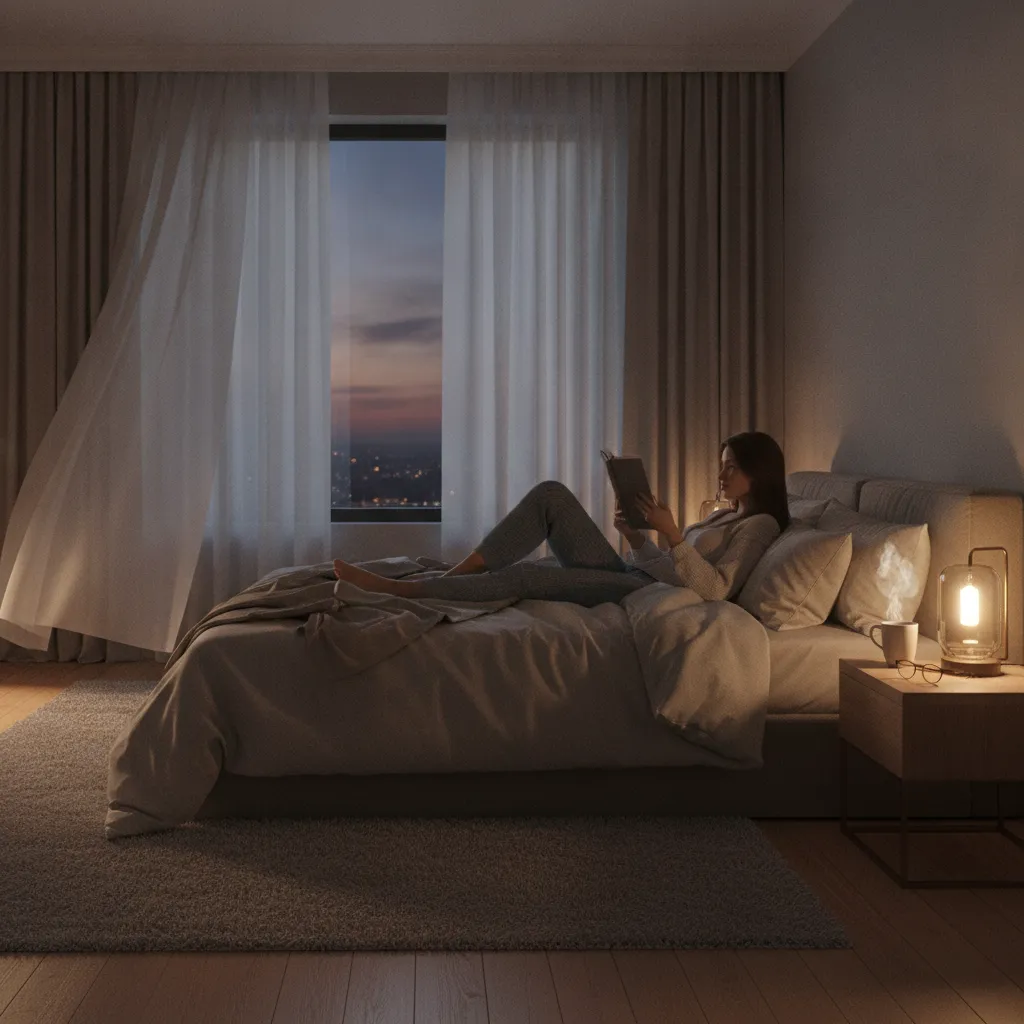
Why Optimizing Evening Light is Crucial for Sleep and Recovery
Sleep is not merely an absence of wakefulness; it is a fundamental biological necessity for survival and optimal functioning. Over one-third of adults report insufficient sleep, leading to a cascade of negative health and productivity outcomes.
Beyond just the quantity of sleep, the quality, particularly the amount of deep sleep, significantly impacts our daily performance. Deep sleep is the phase where the body undertakes its most vital restorative processes, from cellular repair to waste removal in the brain.
Insufficient deep sleep impairs cognitive functions like decision-making, problem-solving, and memory consolidation. It can also weaken the immune system, making individuals more susceptible to illness and hindering physical recovery after exertion.
While numerous factors influence sleep, evening light exposure stands out as a powerful yet frequently overlooked determinant. Our evolutionary biology prepared us for darkness after sunset, a signal that cues our bodies to prepare for rest.
Modern artificial lighting, especially from digital screens, often mimics daylight wavelengths, sending conflicting signals to our internal clock. This disruption can subtly but profoundly diminish the restorative power of our sleep cycles.
Recognizing and mitigating the impact of evening light is a highly accessible and impactful strategy for enhancing deep sleep quality, fostering greater recovery, and ultimately boosting overall well-being and productivity.
Scientific Evidence Supporting Light's Impact on Deep Sleep
The human eye contains specialized photoreceptors, distinct from those used for vision, called intrinsically photosensitive retinal ganglion cells (ipRGCs). These cells are highly sensitive to blue light wavelengths, which are abundant in natural daylight and many artificial light sources.
When these ipRGCs detect light, particularly blue light, they send signals to the suprachiasmatic nucleus (SCN) in the brain, the master regulator of our circadian rhythm. This signaling pathway effectively tells the brain it is daytime.
Research consistently demonstrates that exposure to bright light, especially blue-enriched light, in the hours leading up to bedtime, significantly suppresses the production and release of melatonin. Melatonin is the hormone responsible for signaling the onset of physiological sleep processes.
Studies have shown that reading on an iPad for four hours before bed delays melatonin onset by up to three hours and reduces its secretion by 50% compared to reading a physical book. This suppression directly impedes the body's natural transition into sleep.
Furthermore, this interference with melatonin and circadian timing has been linked to altered sleep architecture, including reduced duration and intensity of deep slow-wave sleep. Fragmented and lighter sleep results, despite the individual spending ample time in bed.
The scientific consensus is clear: our modern exposure to artificial evening light, particularly from screens, is a significant contributor to widespread sleep disturbances, affecting the restorative capacity of deep sleep and overall health.
Realistic Benefits of Optimizing Evening Light Exposure
Implementing intentional evening light hygiene practices can lead to a cascade of observable and measurable benefits, enhancing various aspects of health and productivity.
One of the most immediate benefits is improved sleep onset latency; it becomes easier to fall asleep faster. By allowing melatonin to rise naturally, the body transitions smoothly into sleep, reducing frustrating hours of tossing and turning.
Beyond falling asleep, the quality of sleep significantly improves, specifically with an increase in deep sleep percentage. This translates to feeling more profoundly rested and recovered upon waking, rather than merely waking up.
Enhanced deep sleep contributes to greater daytime alertness and sustained energy levels throughout the day. The brain, having adequately cleared metabolic byproducts, functions more efficiently, leading to improved focus and cognitive performance.
Better sleep quality also has a positive impact on mood regulation and emotional resilience. Individuals often report reduced irritability and an increased capacity to handle daily stressors, fostering a more stable emotional state.
From a physiological perspective, optimizing evening light supports a robust immune system and more efficient physical recovery. Cells repair more effectively, muscles rejuvenate, and overall bodily systems operate closer to their optimal capacity.
Limits, Risks, and Common Misconceptions
While highly effective, evening light optimization is not a singular solution to all sleep problems. It is one critical component within a broader framework of sleep hygiene.
A common misconception is that any form of light exposure in the evening is detrimental. The key distinction lies in the wavelength and intensity of the light. Warm-spectrum, dim light is far less disruptive than bright, blue-rich light.
Another prevalent misunderstanding is the belief that blue-light-blocking glasses offer a complete shield. While they can mitigate some effects of screen exposure, they do not fully block all sleep-disrupting wavelengths nor address the impact of ambient bright room lighting.
Over-reliance on external aids like melatonin supplements without addressing the underlying light exposure issues can also be a pitfall. Supplements might offer a temporary band-aid but don't resolve the root cause of circadian disruption.
Excessive strictness, leading to social isolation or anxiety around light, can be counterproductive. The goal is balance and practical application, not complete elimination of all light after sundown. Individual light sensitivity also varies.
Finally, it is crucial to remember that sleep quality is multifactorial. Stress, diet, exercise timing, bedroom environment, and underlying health conditions all play roles. Optimizing light is powerful but works best when integrated with other healthy practices.
Practical Protocols for Optimizing Your Evening Light Environment
The first step is to identify and minimize exposure to high-intensity, blue-rich light sources in the hours leading up to bedtime. This primarily includes screens from phones, tablets, computers, and TVs, as well as bright overhead LED lighting.
Establish a "digital sunset" - a specific time, ideally 90-120 minutes before your target bedtime, after which you completely cease screen use. This allows your body's natural melatonin production to begin unimpeded.
Transition your home lighting to warmer, dimmer options as evening approaches. Replace bright white or blue-tinted bulbs with those emitting amber, orange, or red light, or simply dim existing lights significantly.
Utilize built-in blue light filtering software on your devices, such as Night Shift on Apple devices or Night Light on Windows. Third-party apps like f.lux can also be effective in automatically adjusting screen color temperature after sunset.
For instances where screen time is unavoidable closer to bed, consider wearing high-quality blue light blocking glasses that filter a significant percentage of blue and even green light wavelengths. Ensure they have amber or red-tinted lenses.
Creating a consistent evening routine that signals to your body that sleep is approaching reinforces these light adjustments. Productivity Hub tools Habits can be used to track your adherence to a "Digital Sunset" or "Dim Lights Evening" routine, helping you build consistency.
Timing, Dosage, and Adaptation Strategies
Consistency is paramount when implementing evening light optimization. Irregular exposure to bright or blue light can confuse your circadian rhythm, making it harder to establish a stable sleep pattern.
Begin with a gradual reduction. If a 120-minute digital sunset seems daunting, start with 30-60 minutes and progressively extend it. Small, consistent changes are often more sustainable than drastic, short-lived efforts.
Consider specific light sources for evening use. Low-wattage incandescent bulbs, salt lamps, candles, or specialized amber/red-light bulbs provide illumination with minimal circadian disruption. Avoid bright overhead lighting in the main living areas.
Paradoxically, robust morning light exposure is as important as evening darkness. Getting bright natural light first thing in the morning helps to powerfully entrain your circadian rhythm, setting a strong wake-sleep cycle for the day.
When social situations necessitate evening screen time or brightly lit environments, consciously minimize exposure duration. Take frequent breaks from screens and position yourself away from direct light sources where possible.
To track the effectiveness of your light adjustments, monitor changes in your sleep metrics. Many sleep trackers can estimate deep sleep duration. Productivity Hub tools Data can integrate with these trackers, providing visual trends of your deep sleep percentages over time and helping you adapt your protocol.
Leveraging Productivity Hub for Evening Light Optimization
Productivity Hub offers a suite of integrated tools designed to support and reinforce your evening light hygiene practices, making consistency and tracking effortless.
Utilize Productivity Hub tools Habits to create and track custom habits such as "Start Digital Sunset," "Switch to Amber Lighting," or "No Screens 90 Mins Before Bed." The habit tracker provides visual feedback on your consistency.
Set reminders within Productivity Hub tools ToDo to prompt you for specific evening light adjustments. For instance, a reminder at 7:00 PM to "Dim living room lights" or at 8:30 PM to "Turn off all digital screens."
If you use a wearable sleep tracker, integrate its data with Productivity Hub tools Data. This allows you to visualize the impact of your evening light routines on key sleep metrics like deep sleep duration and sleep onset latency.
Productivity Hub tools AI can analyze your tracked habits and sleep data to identify correlations. It might provide insights such as "Your deep sleep increases by 20% on days you adhere to your digital sunset ritual."
In Productivity Hub tools Settings, you can customize notifications and potentially integrate with smart home lighting systems to automate your evening light transitions, ensuring a seamless and effortless shift towards a sleep-friendly environment.
Common Mistakes to Avoid in Evening Light Management
One frequent error is believing that blue-light-blocking glasses completely negate the negative effects of screens. While helpful, they should supplement, not replace, a reduction in overall screen time and bright light exposure.
Many individuals focus solely on device screens and overlook the impact of ambient room lighting. Bright overhead lights, even if not directly blue-rich, can still suppress melatonin and disrupt the circadian rhythm.
Inconsistency is another common pitfall. Adhering to light hygiene only on weekdays or when you 'feel like it' prevents the circadian rhythm from establishing a stable, predictable pattern, hindering long-term benefits.
Neglecting morning light exposure is a significant mistake. A lack of bright light in the morning can weaken the circadian signal, making it harder for your body to distinguish day from night and thus impacting evening wind-down.
Expecting immediate, drastic results can lead to discouragement. While some individuals notice changes quickly, significant adaptation of the circadian rhythm often takes 1 to 3 weeks of consistent effort.
Finally, failing to create a holistic sleep environment beyond just light can limit success. Room temperature, noise levels, mattress comfort, and pre-sleep relaxation rituals all contribute to overall sleep quality.
Mini Quantified Case Studies
Sarah, a 34-year-old marketing manager, consistently woke up tired despite 7-8 hours in bed. Her sleep tracker showed only 50 minutes of deep sleep. After implementing a strict 90-minute digital sunset and switching to amber reading lights, her deep sleep increased to an average of 90 minutes within three weeks, leading to significant improvements in daytime energy.
Mark, a 47-year-old software engineer, struggled with sleep onset insomnia, often taking over an hour to fall asleep. By using blue-light filtering software on his work computer after 5 PM and adopting amber-tinted glasses for evening screen use, his sleep onset time improved to a consistent 15-20 minutes within a month.
Emily, a 28-year-old graduate student, found her memory recall improved significantly after dedicating her evenings to reading physical books under a dim, red-light lamp instead of studying on her laptop. Her sleep app data revealed a 15% increase in her deep sleep stages, directly correlating with her reported cognitive benefits.
David, a 55-year-old retiree, frequently woke up during the night. He started using smart bulbs programmed to shift to a red spectrum after sunset in his living room. Over two months, he reported fewer nocturnal awakenings and his sleep consistency score, as tracked by his wearable, rose by 18%.
A company-wide wellness initiative at a tech startup encouraged employees to adopt evening light hygiene practices, including a 'screen-free hour' before bed. Employees who consistently followed the protocol reported an average 12% increase in perceived recovery scores and a reduction in self-reported stress levels.
Frequently Asked Questions About Evening Light and Sleep
Q1: Is all light in the evening equally bad for sleep? A: No. The primary concern is bright, blue-rich light. Dim, warm-spectrum (red, orange, amber) light is far less disruptive to melatonin production and circadian rhythm.
Q2: Can I read a physical book with a reading light before bed? A: Yes, generally this is acceptable. Use a dim, amber-toned reading light to minimize impact. Avoid using bright overhead room lights while reading.
Q3: Do blue light blocking glasses really work, or are they a gimmick? A: High-quality blue light blocking glasses with amber or red lenses can significantly filter out sleep-disrupting wavelengths from screens, making them useful for unavoidable evening screen time. However, they are not a complete solution.
Q4: How long does it take to see results from optimizing evening light? A: Some individuals report immediate improvements in sleep onset within a few days. For significant shifts in deep sleep architecture and full circadian adaptation, consistent practice for 1 to 3 weeks is typically required.
Q5: What if my job requires me to work on a computer late into the night? A: Maximize all available blue light filtering software on your computer, wear amber- or red-tinted blue light blocking glasses, take frequent short breaks, and ensure you get ample bright light exposure first thing in the morning to help re-entrain your circadian clock.
Sources & References
- 1
- 2
- 3